If your skin looks dull despite a drawer full of products, the problem is rarely what you’re missing. It’s usually one of the basics being done wrong or skipped entirely — hydration, sleep, exfoliation frequency, or diet. These are unglamorous answers, but they’re the ones that actually change how your skin looks over time.
This article is for informational purposes only. Always consult a qualified healthcare professional before making changes to your diet, health, or lifestyle.
Table of contents
- Water is your skin’s best friend
- Sleep your way to better skin
- Exfoliation that doesn’t damage
- Massage techniques for circulation
- Foods that feed your glow
- Frequently asked questions
Water is your skin’s best friend

Dehydrated skin looks flat and tired regardless of what you put on top of it. Fine lines appear deeper, texture gets rough, and that reflective quality healthy skin has goes away. No moisturizer fully compensates for inadequate water intake — topical hydration helps, but it’s working against the current if you’re consistently under-hydrated.
How much water your skin actually needs
The standard “eight glasses a day” guidance doesn’t account for body size, climate, or activity level. A more practical measure is urine color — pale yellow indicates good hydration, dark yellow means you need more fluid. Most people who bump up water intake notice a difference in skin texture within three to four days. It’s one of the faster-acting changes on this list.
Beyond plain water
Herbal teas count toward daily fluid intake and add some antioxidant benefit. Healthline notes that green tea’s catechins have anti-inflammatory properties that can benefit skin from the inside when consumed regularly. Caffeine in large amounts works against hydration efforts by increasing fluid loss, so keep coffee and caffeinated sodas in check if you’re trying to improve skin hydration specifically.
Sleep your way to better skin
Skin repair happens primarily at night. Skimping on sleep doesn’t just cause dark circles — it interrupts the cellular processes that keep skin looking healthy at a structural level.
The repair process happens at night
During deep sleep, growth hormone is released and skin cells rebuild damaged tissue. Collagen synthesis increases overnight, and DNA damage from UV exposure gets repaired. The Sleep Foundation reports that people who consistently sleep seven to nine hours show measurably better skin texture, hydration, and fewer signs of aging compared to those sleeping five hours or less. This isn’t a minor difference — chronic sleep deprivation produces visible changes in skin appearance within days.
Your pillowcase matters more than you’d think
Cotton pillowcases absorb moisture from skin and create friction that contributes to creasing overnight. Silk or satin options let skin glide without dragging and don’t strip natural oils. Change pillowcases at least twice a week — bacteria and product residue build up quickly and can contribute to breakouts, particularly along the cheeks and jawline. I switched to a silk pillowcase a few years ago mostly out of curiosity and noticed less morning puffiness within about a week.
Exfoliation that doesn’t damage
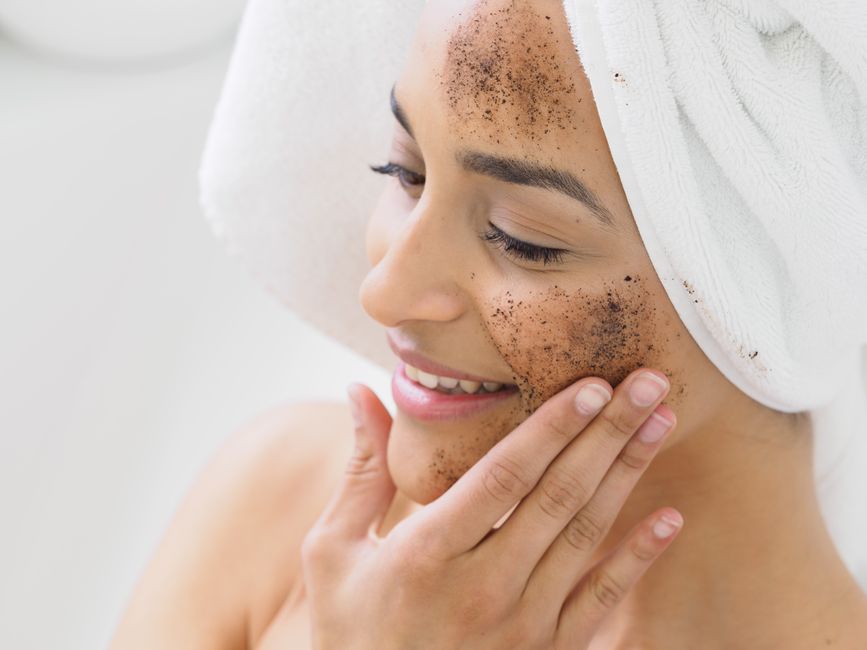
Dead skin cells accumulate on the surface and block light reflection, which is what makes skin look dull rather than glowing. The solution is removing them regularly — but the method matters. Harsh physical scrubs can create micro-tears and damage the skin barrier, which worsens the problem over time.
Chemical exfoliation works better than physical
Alpha hydroxy acids like lactic acid dissolve the bonds between dead skin cells without abrasion. They work more evenly across the skin surface than scrubbing and are less likely to cause the irritation that sets back progress. Start with a low-concentration product — around 5% lactic acid — used once or twice a week. Mild tingling is normal. Redness, burning, or prolonged irritation means the concentration is too high or the frequency too much for your skin.
Signs you’re overdoing it
Persistent redness, increased sensitivity, or a tight, slightly shiny appearance to the skin all suggest over-exfoliation. The skin barrier has been compromised. Back off entirely for a week, use only a gentle cleanser and moisturizer, and let it recover before reintroducing exfoliation at a lower frequency. Some people can tolerate exfoliation three times a week; others do better with once. Your skin’s response tells you more than any general recommendation.
Massage techniques for circulation
Poor circulation leaves skin looking pale and flat. Face massage brings fresh blood to the surface, delivering oxygen and nutrients directly to skin cells. It also reduces the tension that accumulates in the jaw and temples, which affects how your face looks at rest.
Simple techniques that work
Start at the chin and work upward using small circular movements with your fingertips. Keep pressure gentle — you’re improving circulation, not working out a muscle knot. Spend extra time at the temples, jaw, and along the cheekbones where tension tends to concentrate. Five minutes produces a noticeable flush and temporary improvement in skin tone. With regular practice, the circulatory benefit accumulates.
Apply massage during your cleansing routine or after applying a serum or facial oil — both provide enough slip to prevent dragging skin. Never massage over active breakouts; the friction spreads bacteria and worsens inflammation in already-affected areas.
When to massage for best results
Morning massage improves circulation and reduces overnight puffiness before your day starts. Evening massage supports product absorption and helps the body shift into a more relaxed state before sleep. Either works — the most useful time is whichever one you’ll actually do consistently.
Foods that feed your glow

Skin reflects diet more directly than most people realize, usually on a delay of three to four weeks — the time it takes for new cells forming now to reach the surface.
Omega-3 fatty acids reduce inflammation
Salmon, mackerel, walnuts, and flaxseeds provide fats that reduce skin inflammation from within. People who eat omega-3 rich foods regularly tend to have less redness, fewer breakouts, and better skin barrier function. A 2012 study in the American Journal of Clinical Nutrition found that higher omega-3 intake was associated with reduced inflammatory skin conditions. Expect to wait about a month of consistent intake before seeing meaningful change.
Vitamin C supports collagen production
Collagen synthesis requires vitamin C — without it, the process stalls. Citrus fruits, bell peppers, strawberries, and kiwi are all high-quality sources. Getting vitamin C through food generally works better than supplements because whole foods deliver complementary compounds that improve how nutrients are absorbed and used. A daily serving of bell peppers provides more vitamin C than most supplement doses.
Antioxidants fight daily damage
Blueberries, dark leafy greens, dark chocolate, and green tea contain compounds that neutralize free radicals from UV exposure and pollution. These free radicals break down collagen and elastin — the proteins responsible for skin firmness and elasticity. A diet with more color and variety provides broader antioxidant coverage. This is one area where eating more of something produces a better result than any supplement reliably can.
Most people notice improvements in skin texture within two to four weeks of applying these basics consistently. Hydration and sleep tend to show results fastest. Dietary changes take longer but tend to produce more durable improvements because they work at the cellular level. Your skin may go through a brief adjustment period when habits change — a week or two of slightly worse skin before things improve is common and not a reason to stop.
Frequently asked questions
If you have a diagnosed skin condition or are experiencing persistent skin problems that don’t respond to basic care, consult a dermatologist before making significant changes to your routine.

Arslan Qamar is the founder of Wellness Tips Now. A long-standing personal interest in natural health led him to spend years self-educating — reading widely and researching what the evidence actually supports. He created this site to share that research in plain, practical language. Arslan is not a medical professional; every article is reviewed for accuracy before publishing, and nothing on this site is intended to replace advice from a qualified healthcare professional. His writing covers natural weight loss, home remedies, nutrition, skincare, sleep, and stress management.