
A seven-day detox plan sounds more dramatic than it actually is. There are no miracle cleanses here — your liver and kidneys already do the detoxification work continuously, and no juice or supplement changes that. What a structured week of clean eating does do is remove the things that make those organs work harder than necessary: processed food, refined sugar, alcohol, and excess sodium. Most people feel noticeably better within a few days just from that subtraction alone.
This plan is built around whole foods you can find anywhere, with no expensive products required.
This article is for informational purposes only. Always consult a qualified healthcare professional before making changes to your diet, health, or lifestyle.
Table of contents
- Understanding detox diet basics
- Seven-day meal structure and timing
- Essential foods to include daily
- Foods to avoid during your detox
- Daily schedule and lifestyle tips
- Frequently asked questions
Understanding detox diet basics

Your body detoxifies itself around the clock. The liver filters blood and processes waste products. The kidneys excrete those waste products through urine. The lymphatic system clears cellular debris. None of this requires a special diet to happen — but it does require the right raw materials to happen efficiently.
A seven-day detox plan works by giving those systems better inputs and removing the things that slow them down. The NHS notes that a diet rich in fiber, vegetables, and water supports healthy digestive and organ function — which is the actual mechanism behind how any reasonable detox plan produces results. It’s not mystical. It’s just better nutrition for a defined period.
The “gentle transition” approach works better than the extreme versions. Dropping all processed food and caffeine simultaneously on day one is a reliable way to spend day two with a splitting headache and zero motivation to continue. Reducing gradually over the two days before you start makes the week far more manageable. I learned this the hard way on my first attempt at something similar.
Seven-day meal structure and timing
Structure matters more than most people expect going into this kind of week. Without a clear framework, decision fatigue sets in and you end up eating whatever is convenient.
Start each morning with a glass of warm water and fresh lemon before anything else. It stimulates digestion and sets a deliberate tone for the day — small as that sounds, the habit has a real anchoring effect.
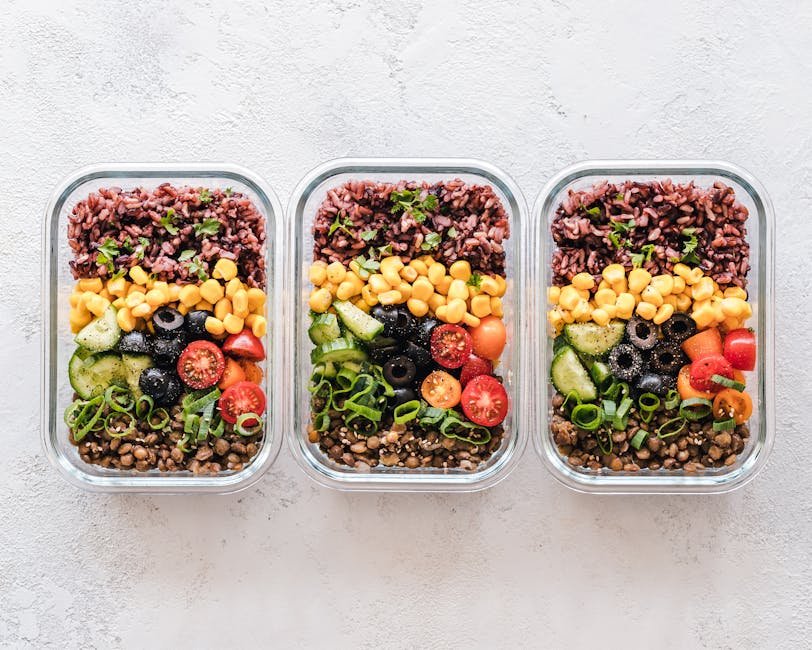
Breakfast should include fiber and some protein: oatmeal with berries, eggs with leafy greens, or a smoothie built around spinach or kale with a handful of seeds. Lunch works best as your largest meal — centering it around a big salad with grilled chicken, legumes, or canned fish keeps you full without the afternoon energy dip that follows a heavy dinner. Eat dinner lighter: vegetable soup, steamed vegetables with quinoa, or a simple stir-fry with whatever is in season.
Finish eating at least three hours before bed. Late eating doesn’t directly cause weight gain, but it does interfere with sleep quality and digestion, both of which matter during a week when you’re trying to give your body room to recover.
Essential foods to include daily

Certain foods do more active work in supporting liver and digestive function than others. These are worth prioritizing across the seven days.
Cruciferous vegetables — broccoli, cauliflower, Brussels sprouts, cabbage — contain glucosinolates, compounds that Healthline notes have been linked to enhanced liver enzyme activity involved in toxin processing. Include at least one serving daily. They’re also high in fiber, which is independently important for moving waste through the digestive system.
Leafy greens like spinach, kale, and arugula supply magnesium, folate, and chlorophyll. Citrus fruits contribute vitamin C and natural enzymes that support immune function during the dietary transition. Apples and pears add soluble fiber in the form of pectin, which binds to waste products in the gut and helps eliminate them.
Healthy fats from avocado, walnuts, flaxseeds, and olive oil support hormone production and help your body absorb fat-soluble vitamins. Don’t cut fat during this week — it’s not the problem, and you need it for the plan to work nutritionally.
Fresh herbs like parsley and cilantro add flavor without sodium and contain compounds with mild anti-inflammatory properties. Use them generously since processed seasonings are off the table this week.
Foods to avoid during your detox
The elimination list is as important as what you add. The point is to reduce the load on your liver and digestive system, not just add good things on top of a poor diet.
Processed foods with artificial additives, preservatives, and high sodium are the primary target. Read ingredient labels this week. A useful rule of thumb: if you can’t identify what an ingredient is without looking it up, skip the product.
Refined sugar drives blood sugar spikes and crashes that leave you feeling worse than before, particularly in the first few days. This includes most condiments, flavored yogurts, and packaged snacks that don’t obviously read as “sweet.” White flour products offer minimal nutritional value and tend to cause bloating in people who aren’t used to eating much fiber.
Alcohol puts a direct burden on the liver — the organ you’re trying to support. One week without it is not a hardship, and most people notice improved sleep and clearer skin from that change alone.
Caffeine is worth reducing rather than eliminating entirely if you’re a daily coffee drinker. Cutting it suddenly causes withdrawal headaches that will overshadow the first two days of the plan. Drop to one cup daily before the week starts and maintain that level throughout.
Dairy and gluten don’t need to be avoided by everyone, but some people do experience less bloating and inflammation when they temporarily cut both. If you suspect either causes you issues, this week is a reasonable time to test that.
Daily schedule and lifestyle tips

Food is the core of the plan, but daily habits either support or undermine it.
Start each morning with five to ten minutes of gentle movement — stretching, a short walk, or light yoga. This stimulates lymphatic drainage, which doesn’t have its own pump the way the cardiovascular system does and depends on physical movement to circulate properly.
Aim for eight glasses of water daily. Add lemon, cucumber, or fresh mint if plain water becomes tedious. Herbal teas — ginger, peppermint, chamomile — count toward your fluid intake and most have mild digestive benefits. Ginger tea in particular helps with the bloating and nausea some people experience in the first two days of changing their diet.
Sleep is non-negotiable during a detox week. Most tissue repair and metabolic waste clearance happens during sleep, and the Sleep Foundation notes that even one night of poor sleep elevates hunger hormones the following day — making it harder to stick to the eating plan. Seven to eight hours, with screens off thirty minutes before bed, is the target.
Short walks after meals — even ten minutes — improve digestion and help maintain steady blood sugar. Stress management through breathing exercises or simple stretching reduces cortisol, which interferes with the hormonal environment that makes the plan effective. You don’t need a formal practice. A few minutes of slow, deliberate breathing before bed accomplishes the same thing for most people.
Frequently asked questions
This plan is not suitable as a medical intervention for any diagnosed condition. People with diabetes, kidney disease, liver conditions, or eating disorder history should consult a healthcare provider before starting any restrictive eating plan.

Arslan Qamar is the founder of Wellness Tips Now. A long-standing personal interest in natural health led him to spend years self-educating — reading widely and researching what the evidence actually supports. He created this site to share that research in plain, practical language. Arslan is not a medical professional; every article is reviewed for accuracy before publishing, and nothing on this site is intended to replace advice from a qualified healthcare professional. His writing covers natural weight loss, home remedies, nutrition, skincare, sleep, and stress management.