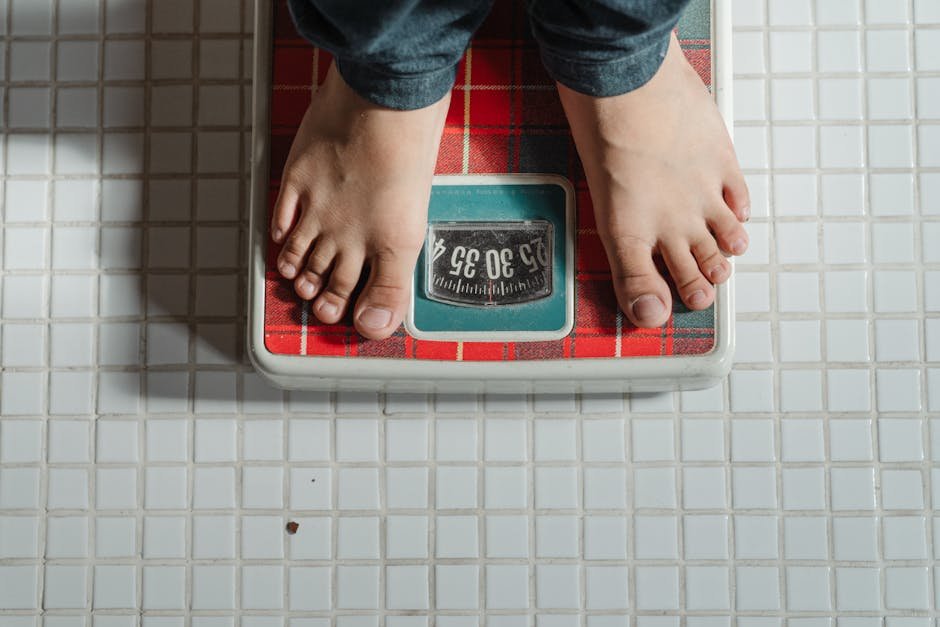
A seven-day diet plan works best when you treat it as a reset rather than a solution. One week won’t transform your body, but it can break some bad habits, reduce bloating, and give you a clear sense of what eating with intention actually feels like. That shift in awareness is often more valuable than whatever the scale says on day eight.
This plan uses whole foods, straightforward portions, and no expensive supplements.
This article is for informational purposes only. Always consult a qualified healthcare professional before making changes to your diet, health, or lifestyle.
Table of contents
- Understanding 7-day weight loss plans
- Daily meal structure and timing
- Complete weekly menu breakdown
- Hydration and natural supplements
- Exercise and lifestyle integration
- Frequently asked questions
Understanding 7-day weight loss plans

Short-term diet plans get a bad reputation because most people approach them as a standalone fix. They work much better as an entry point — a week where you remove distractions, eat deliberately, and build a few habits worth keeping.
Realistic weight loss expectations
Most people lose 2 to 5 pounds in the first week of a structured eating plan. A significant portion of that is water weight and reduced bloating from cutting processed foods and excess sodium, not pure fat loss. That’s not a criticism of the approach — reduced bloating is real and noticeable, and the early momentum matters psychologically. Just don’t mistake week-one results for the rate you’ll continue at.
According to the NHS, a realistic and sustainable rate of fat loss is 0.5 to 1 kg per week — roughly 1 to 2 pounds — once the initial water weight drop levels off. Setting expectations around that number from the start prevents the discouragement that derails most diet attempts after the first few weeks.
What actually happens in week one
When you cut processed foods and eat more vegetables, lean protein, and whole foods, your digestive system responds quickly. Bloating drops. Energy levels stabilize because blood sugar stops spiking and crashing. Many people also sleep better. These changes aren’t dramatic, but they’re concrete and they tend to motivate continued effort better than any motivational framing does.
Daily meal structure and timing
The structure matters as much as the specific foods. Eating at consistent intervals keeps blood sugar stable and reduces the kind of hunger that leads to poor decisions.
Optimal eating schedule
Eat breakfast within two hours of waking. Space your three main meals roughly four to five hours apart. Aim to finish dinner at least three hours before bed — late eating doesn’t cause weight gain directly, but it tends to mean extra calories and can disrupt sleep quality, which affects hunger hormones the next day.
Keeping your eating window to around twelve hours — say, 7am to 7pm — is a mild form of time-restricted eating that most people find manageable without feeling like a strict protocol.
Portion control without scales
A practical system that requires no equipment: a palm-sized portion of lean protein, two cupped handfuls of vegetables, and a thumb-sized amount of healthy fat per meal. Carbohydrates should come mainly from vegetables and a small amount of whole grains. This rough framework holds up across different cuisines and doesn’t require tracking apps or precise measurements, which makes it sustainable beyond the first week.
Complete weekly menu breakdown
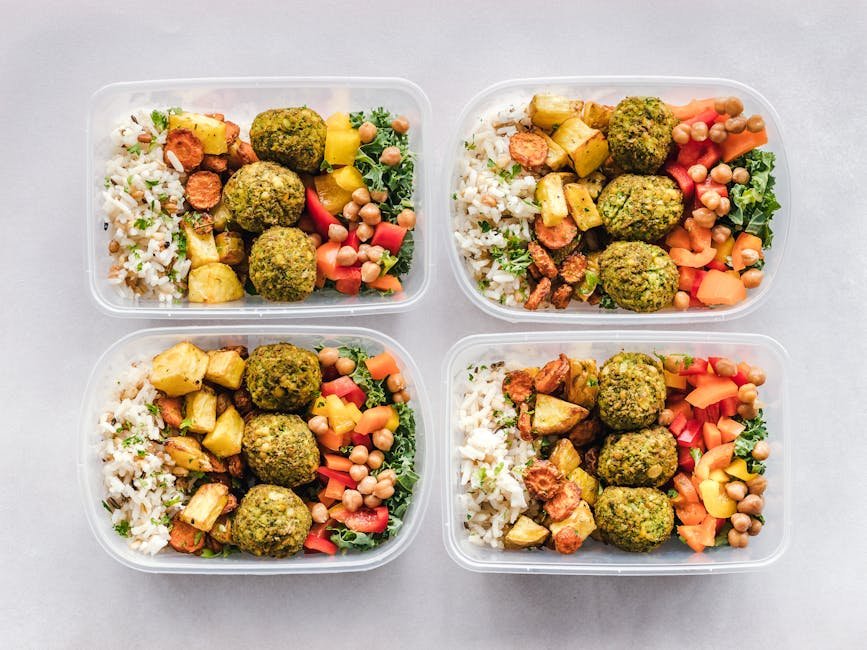
The menu below uses accessible ingredients and standard kitchen equipment. It’s structured in two phases that build on each other.
Days 1–3: foundation phase
The first three days focus on reducing bloating and establishing a rhythm. Keep meals simple and portions measured.
Breakfast options include scrambled eggs with spinach and tomatoes, plain Greek yogurt with a small handful of berries, or oatmeal with no added sugar. Lunch centers on a large portion of mixed greens with grilled chicken or canned tuna, dressed with olive oil and lemon. Dinner is baked or grilled fish with two servings of steamed vegetables — broccoli, cauliflower, zucchini, or whatever is available.
Snacks should be minimal. Cucumber slices, a small handful of unsalted nuts, or a boiled egg covers hunger without adding significant calories. Avoid snacking out of boredom rather than genuine hunger — drinking a glass of water first and waiting ten minutes usually clarifies which one it is.
Days 4–7: variety phase
The second half of the week introduces more variety while keeping the same structure. Add lean turkey as a protein option, try different vegetable combinations, and include small amounts of berries or a piece of fruit to satisfy sweet cravings without processed sugar.
By day four or five, most people notice their appetite has adjusted. Meals that felt small on day one feel adequate by day five. That shift is worth paying attention to — it suggests your portions and eating frequency are actually working.
Hydration and natural supplements
Hydration is not a secondary concern during a diet week. Water is directly involved in fat metabolism, and even mild dehydration slows the processes you’re trying to support.
Water intake
Aim for 8 to 10 glasses of water daily, more if you live somewhere warm or are exercising. A large glass first thing in the morning — before coffee — is one of the more effective habits from this plan to carry forward permanently. It takes thirty seconds and genuinely improves morning alertness and digestion.
Cut sugary drinks entirely for the week. This includes fruit juice, which carries as much sugar as soda with only marginally more nutritional value. Green tea is a reasonable substitute that provides mild metabolic support through its catechin content, with Healthline noting that green tea catechins may modestly support fat oxidation, particularly when combined with exercise.
Natural additions worth trying
Fresh lemon in morning water can support digestion. Ginger tea reduces bloating and nausea, which some people experience in the first few days of a dietary change. Cinnamon added to oatmeal or yogurt may help with blood sugar stability — a small 2003 study in Diabetes Care found that as little as one gram per day produced meaningful reductions in fasting blood glucose in type 2 diabetics, though effects in healthy individuals are more modest. None of these are required, but they cost almost nothing and make the plan easier to stick to.
Exercise and lifestyle integration

Diet does most of the work in week one. Exercise supports it and improves how you feel, but don’t pile on intense workouts while your body is adjusting to different food intake.
Simple daily movement
A brisk 20 to 30 minute walk each day is enough. It raises your heart rate, supports metabolism, and helps manage the mood dips that sometimes accompany the first few days of cutting processed food. Morning walks tend to work better for appetite control throughout the day — there’s reasonable evidence that morning exercise reduces total daily calorie intake compared to evening sessions.
Bodyweight exercises — squats, push-ups, planks — can be added from day three or four once the initial adjustment period passes. No equipment needed, ten to fifteen minutes is sufficient, and the muscle maintenance helps preserve lean mass during the caloric deficit.
Sleep and stress
Poor sleep directly undermines the hormonal environment that makes weight loss possible. The Sleep Foundation explains that sleep deprivation raises ghrelin, the hormone that increases appetite, while lowering leptin, which signals fullness — a combination that makes overeating significantly harder to resist the next day. Seven to eight hours during this week isn’t optional if you want the plan to work.
Stress management matters for the same reason. Elevated cortisol from chronic stress promotes fat storage, particularly around the abdomen. Ten minutes of deep breathing or light stretching before bed costs nothing and measurably reduces cortisol levels. It doesn’t need to be a formal meditation practice to be effective.
Frequently asked questions
This plan is not appropriate as a sole intervention for obesity or any diagnosed metabolic condition. If you have an underlying health condition or take medications that affect blood sugar, consult a healthcare provider before making significant dietary changes.

Arslan Qamar is the founder of Wellness Tips Now. A long-standing personal interest in natural health led him to spend years self-educating — reading widely and researching what the evidence actually supports. He created this site to share that research in plain, practical language. Arslan is not a medical professional; every article is reviewed for accuracy before publishing, and nothing on this site is intended to replace advice from a qualified healthcare professional. His writing covers natural weight loss, home remedies, nutrition, skincare, sleep, and stress management.