Key Takeaways
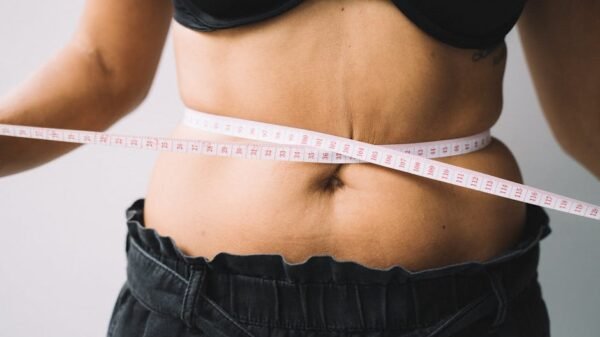
- Drinking about 500 ml of water before meals may modestly support weight loss by increasing fullness (Harvard Health).
- Research suggests pre-meal water can reduce calorie intake, while water after meals shows little effect.
- The benefits are real but small — water supports, it does not replace, a balanced diet and activity.
- Staying well-hydrated also supports normal metabolism, energy and overall health.
Water is something most people don’t think much about beyond “drink more of it.” But the timing of when you drink it may actually matter more than most wellness advice lets on. While water alone won’t drive significant weight loss, drinking it at the right times can support your metabolism, help you eat less without trying, and keep your energy steadier across the day.
These aren’t dramatic changes. They’re small adjustments to something you’re already doing.
This article is for informational purposes only. Always consult a qualified healthcare professional before making changes to your diet, health, or lifestyle.
Table of contents
- Why timing matters when drinking water
- Starting your day: morning hydration for metabolism
- Drinking water before meals
- Hydration during and after exercise
- Evening water intake: what you should know
- Creating your optimal water drinking schedule
- Common mistakes to avoid
- Frequently asked questions
Why timing matters when drinking water
Most people have heard the “eight glasses a day” rule. Fewer think about when those glasses actually get consumed. Timing your water intake around meals, sleep, and activity can make those same glasses more useful for weight management.
The connection between hydration and metabolism
Your body needs water to process calories. Even mild dehydration can slow your metabolic rate. A study published in the Journal of Clinical Endocrinology and Metabolism found that drinking about 500ml of water temporarily increased metabolic rate by roughly 30% for around an hour. The process — called water-induced thermogenesis — means your body burns a small number of calories simply warming the water to body temperature. It’s not a huge effect, but it’s a real one.
How water affects appetite and satiety
Thirst and hunger use overlapping signals in the brain, which is why many people reach for food when they’re actually just dehydrated. Drinking water at consistent intervals helps you tell the difference. It won’t eliminate hunger, but it can reduce the kind of low-level snacking that happens when you’re slightly dehydrated and misread the signal.
Starting your day: morning hydration for metabolism
After six to eight hours of sleep without any fluid intake, your body wakes up mildly dehydrated. The first water you drink has an outsized effect compared to any glass later in the day.
Why morning water works
Drinking 16 to 20 ounces of water within thirty minutes of waking helps rehydrate your tissues and may activate digestive and metabolic processes. It’s also just a good anchor habit — starting the day with something deliberate makes it easier to keep the rest of the schedule going. I drink a full glass before coffee every morning, and the difference in how quickly I feel alert is noticeable.
Adding lemon: does it help?
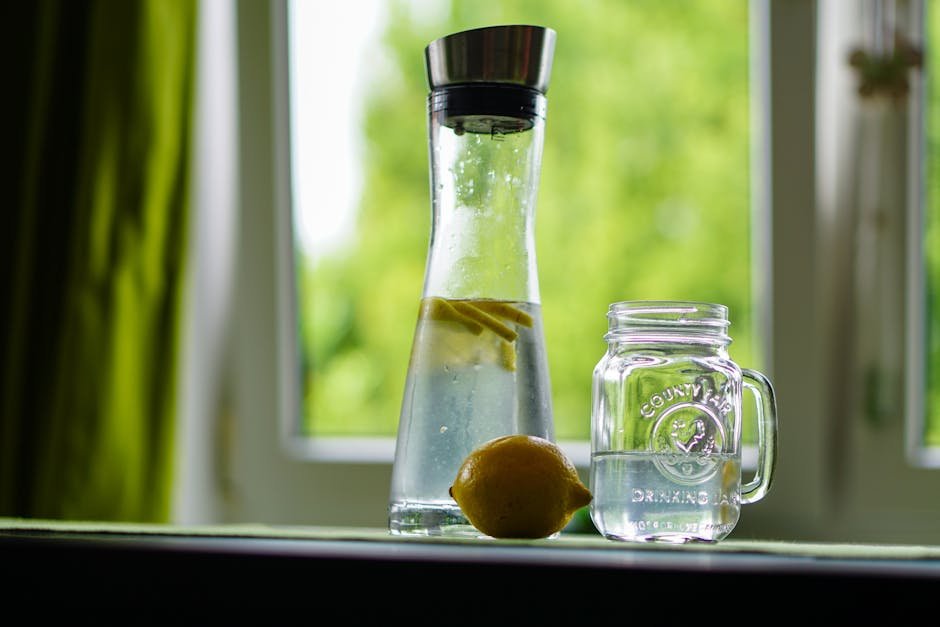
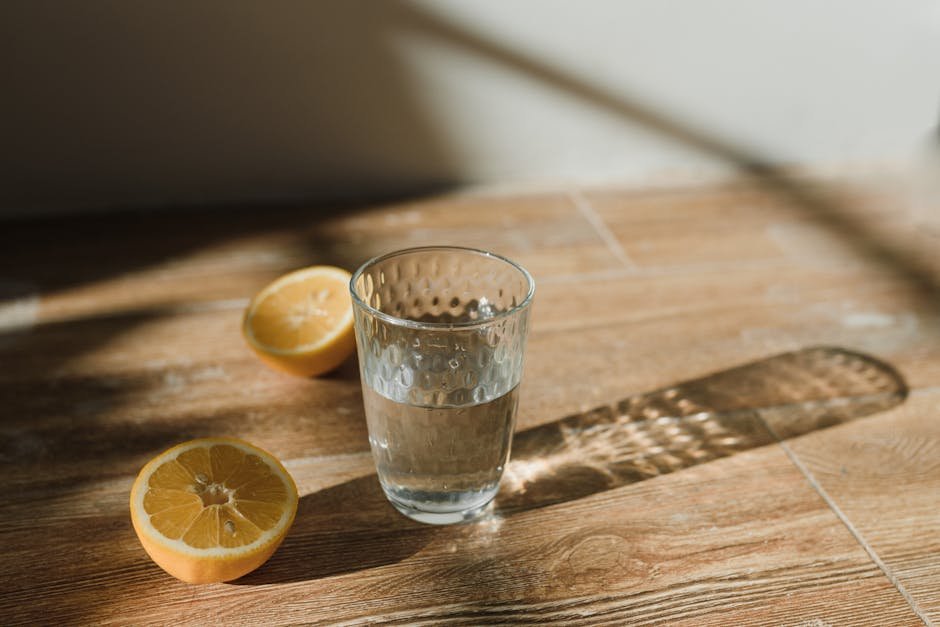
Lemon water is a popular addition. The lemon itself adds a small amount of vitamin C but isn’t doing much metabolically. The real benefit is that it makes water more appealing, which means you’re more likely to actually drink it. If lemon helps you hit 20 ounces before breakfast, it’s earning its place.
Temperature considerations
Room temperature or slightly warm water is easier on the digestive system first thing in the morning. Cold water requires a little more energy to process, which theoretically burns a few extra calories, but the difference is too small to matter practically. Drink whichever temperature you’ll actually consume without hesitation.
Drinking water before meals
This is the most researched timing strategy for water and weight loss, and the results are worth paying attention to.
The pre-meal water technique
A clinical trial published in Obesity found that adults who drank 500ml of water thirty minutes before each meal lost significantly more weight over twelve weeks than those who didn’t change their water habits. The water creates a sense of fullness that carries into the meal, naturally reducing how much you eat without requiring willpower or calorie counting.
How much water before eating?
Around 16 ounces, roughly two cups, thirty minutes before eating appears to be the effective amount. Less than that doesn’t seem to produce the same fullness effect. More than that can make the first few bites of your meal uncomfortable. Thirty minutes gives your stomach time to register the volume without still feeling sloshy when the food arrives.
The mindful eating connection
Drinking water before meals also creates a natural pause before eating. That thirty-second ritual of pouring and drinking a glass gives you a moment to check in on actual hunger rather than eating automatically. It’s a small thing, but those small pauses add up over a day of meals and snacks.
Hydration during and after exercise
Exercise is where hydration most directly affects performance, and performance affects how many calories you actually burn.
Pre-workout hydration
Drink 16 to 20 ounces of water one to two hours before exercise. Starting a workout already dehydrated reduces endurance and makes effort feel harder than it should. According to Harvard Health, even mild dehydration of 1-2% body weight can impair physical performance. That’s the equivalent of about one pound of fluid for a 150-pound person — easily lost in a moderate workout without realizing it.
During your workout
For sessions under an hour, sipping water as needed is sufficient. You don’t need to follow a rigid schedule. The goal is to avoid getting thirsty, which already signals dehydration. For longer or more intense sessions, especially in heat, you may need to be more deliberate about intake.
Post-workout recovery
Replacing fluids after exercise supports muscle recovery and keeps metabolism elevated while your body repairs tissue. Weigh yourself before and after a workout if you want a rough guide — every pound lost during exercise represents about 16 ounces of fluid that needs replacing.
Evening water intake: what you should know
Evening hydration needs a bit more thought than the rest of the day. The goal is staying hydrated without setting yourself up for a broken night’s sleep.
The cutoff time
Most people do well tapering off large amounts of water one to two hours before bed. You can still sip if you’re thirsty — there’s no need to go to bed parched — but finishing your last full glass earlier in the evening prevents the 2am bathroom interruption that fragments sleep.
Sleep quality and weight loss
This matters more than it sounds. The Sleep Foundation notes that poor sleep disrupts ghrelin and leptin, the hormones that regulate hunger and fullness. A night of broken sleep can leave you hungrier the next day and less likely to make good food choices. If evening water habits are interrupting sleep, the indirect effect on weight management is real.
Evening hunger pangs
Late-night hunger is often dehydration in disguise. Before reaching for a snack after dinner, drink a glass of water and wait ten minutes. It won’t work every time, but it works often enough to be worth trying before adding the calories.
Creating your optimal water drinking schedule
Here’s a straightforward daily schedule that applies these principles. Treat it as a starting point, not a rigid prescription.
A sample daily water schedule
Upon waking (7:00 AM): 16 ounces of room temperature water
Mid-morning (10:00 AM): 8–12 ounces
30 minutes before lunch (12:30 PM): 16 ounces
Mid-afternoon (3:00 PM): 8–12 ounces
30 minutes before dinner (6:00 PM): 16 ounces
Evening (8:00 PM): 8 ounces
Before bed: Small sips if needed
Adjusting for your lifestyle
If you’re active, live somewhere hot, or are larger in body size, you’ll need more than this baseline. Someone who runs five miles in summer heat needs significantly more water than someone doing a desk job in an air-conditioned office. The schedule above suits average activity in a moderate climate — adjust from there based on how you actually feel.
Tracking your intake
A marked water bottle or a free hydration app removes the guesswork. The goal isn’t obsessive tracking — it’s building the habit until you no longer need to think about it.
Common mistakes to avoid
Drinking too much too fast
Drinking large amounts quickly doesn’t give your body time to absorb it properly, and most of it ends up as immediate fluid loss. Steady intake across the day is more effective than cramming glasses in when you remember.
Ignoring thirst signals
Waiting until you’re very thirsty means dehydration is already underway. Mild thirst is a prompt to drink, not a crisis — but consistent mild thirst means your schedule needs adjusting.
Replacing meals with water
Water suppresses appetite at the margins. It doesn’t replace nutrition. Using water to skip meals creates a caloric deficit in an unsustainable way and deprives your body of the nutrients it needs to function and recover properly.
Not counting food water content
Fruits, vegetables, soups, and smoothies all contribute to daily fluid intake. If your diet includes a lot of these foods, your actual drinking water needs are lower than someone eating mostly dry or processed foods. Total hydration is what matters, not just glasses of water specifically.
Frequently asked questions
If you have a medical condition affecting your kidneys, heart, or fluid balance, consult a healthcare provider before significantly changing your daily water intake.
Sources & Further Reading
- Harvard Health — Does drinking water before meals help you lose weight?
- NCBI — Water intake, energy intake and weight status (systematic review)
- NCBI — Water for weight loss (review)
- Mayo Clinic — Weight loss: 6 strategies for success
Researched and reviewed by Arslan Qamar, founder of Wellness Tips Now. This article is for informational purposes only and is not a substitute for professional medical advice. Always consult a qualified healthcare provider before making significant changes to your diet or fluid intake, especially if you have a heart or kidney condition.
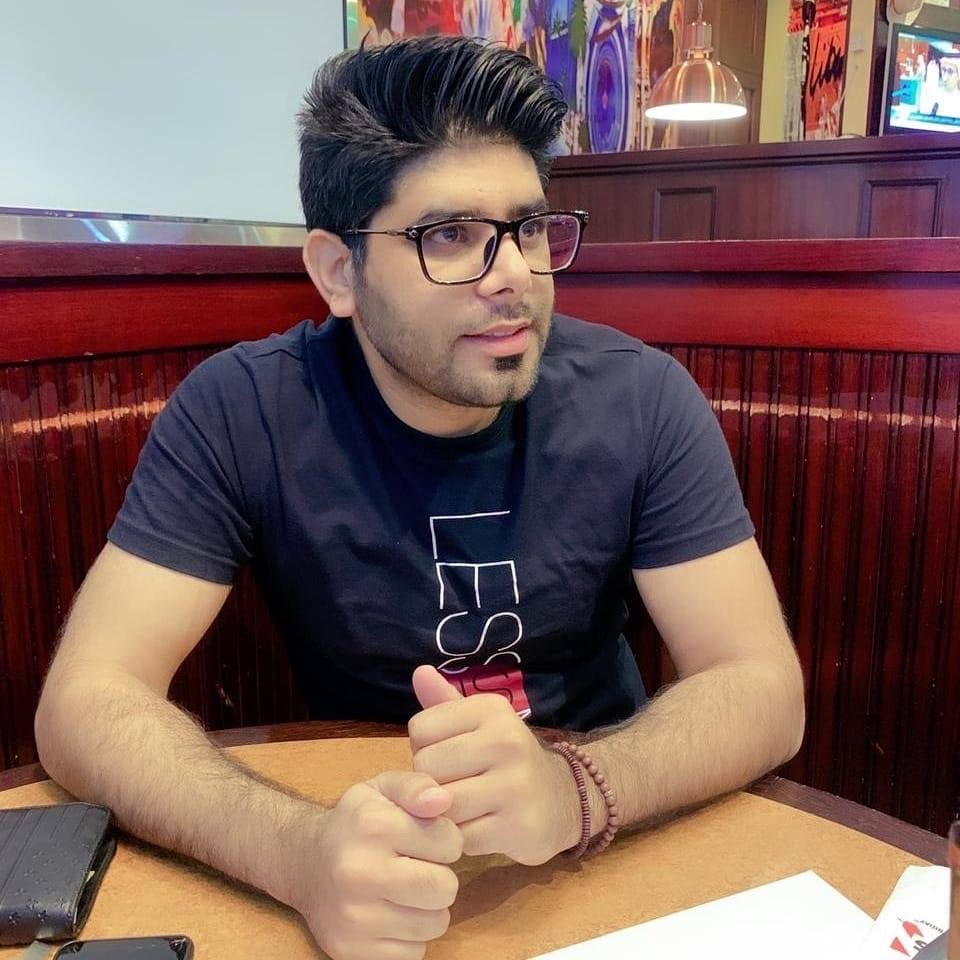
Arslan Qamar is the founder of Wellness Tips Now. A long-standing personal interest in natural health led him to spend years self-educating — reading widely and researching what the evidence actually supports. He created this site to share that research in plain, practical language. Arslan is not a medical professional; every article is reviewed for accuracy before publishing, and nothing on this site is intended to replace advice from a qualified healthcare professional. His writing covers natural weight loss, home remedies, nutrition, skincare, sleep, and stress management.