
When a cold hits, most people’s first instinct is to raid the medicine cabinet. But a lot of what your kitchen already contains can manage symptoms just as well for a standard cold — sometimes better, and without the drowsy side effects. These home remedies for cold and cough have been used across generations, and several of them now have decent research behind them.
They won’t cure a cold. Nothing does. But they can make the days feel more manageable while your immune system does its job.
This article is for informational purposes only. Always consult a qualified healthcare professional before making changes to your diet, health, or lifestyle.
Table of contents
- Kitchen pantry cold fighters
- Gentle throat soothing methods
- Steam and humidity therapies
- Herbal and natural solutions
- Lifestyle support for faster recovery
- Frequently asked questions
Kitchen pantry cold fighters
Some of the most useful ingredients for cold symptoms are already sitting in your kitchen. The trick is knowing how to use them.
Honey-based remedies
Raw honey is one of the better-studied natural cough suppressants. A study published in the Archives of Pediatrics and Adolescent Medicine found that a single dose of buckwheat honey before bedtime reduced cough frequency and severity in children more effectively than dextromethorphan, the active ingredient in many over-the-counter cough syrups. A spoonful before bed can reduce nighttime coughing enough to meaningfully improve sleep. Mix it into warm water or herbal tea if straight honey isn’t your preference.
One firm rule: never give honey to children under twelve months. It carries a risk of infant botulism that makes it genuinely dangerous for that age group, regardless of how mild the dose.
Ginger and garlic
Fresh ginger contains gingerols and shogaols, compounds with documented anti-inflammatory effects. Slice a thumb-sized piece of fresh ginger, steep it in boiling water for ten minutes, add honey, and drink it warm. It’s not the most pleasant thing when you’re feeling rough, but it does help with congestion and throat irritation.
Garlic’s active compound, allicin, releases when you crush or chop a fresh clove. It has antibacterial properties and may support immune response during illness. Adding minced raw garlic to warm broth is probably the easiest way to get it in without having to eat it straight — which, in my experience, is a step too far even when sick.
Gentle throat soothing methods
A sore throat makes everything worse. Eating is uncomfortable, swallowing hurts, and it’s hard to sleep. These two approaches address it directly with things you already have.
Salt water gargles
The saltwater gargle is old enough that most people assume it’s just folk medicine, but it holds up. The Mayo Clinic recommends dissolving a quarter to half a teaspoon of salt in eight ounces of warm water and gargling for thirty seconds, repeated several times a day. The osmotic effect pulls excess fluid from swollen tissues, which reduces inflammation and washes away irritants at the same time. It’s not glamorous, but it works consistently.
Warm lemon water
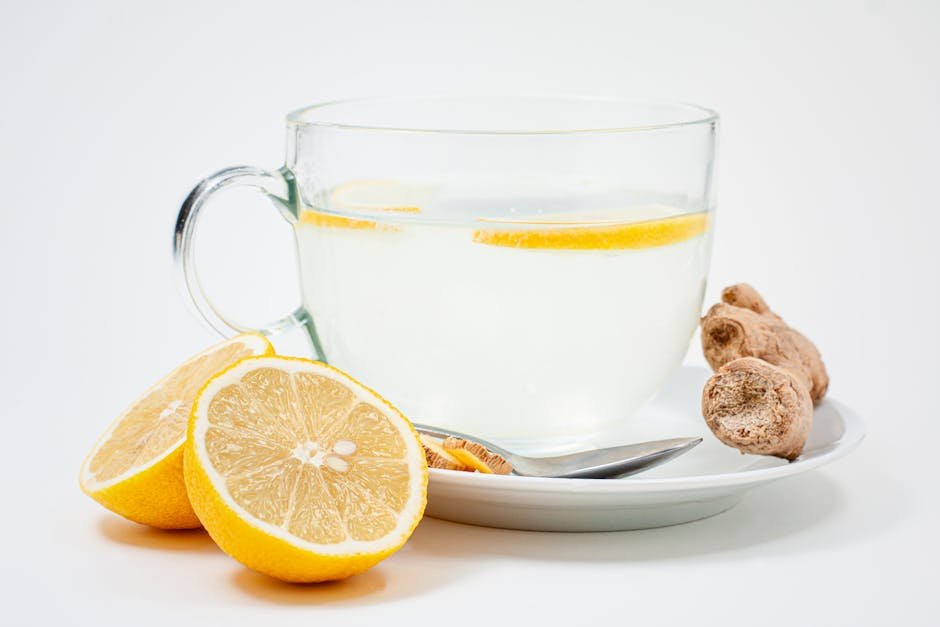
Lemon juice provides vitamin C and citric acid, which may help thin mucus and offer mild immune support. Squeeze half a lemon into a mug of warm water and stir in a teaspoon of honey. The combination coats the throat, the warmth loosens tight throat muscles, and most people find it more pleasant than plain salt water. Drink it slowly rather than gulping — the sustained warmth does more than a quick glass.
Steam and humidity therapies

Dry air is genuinely hard on an already inflamed respiratory system. Adding moisture — whether through steam inhalation or a humidifier — gives irritated nasal passages a break.
Steam inhalation
Fill a large bowl with hot water, lean over it, drape a towel over your head to trap the steam, and breathe steadily through your nose for five to ten minutes. Adding two or three drops of eucalyptus oil to the water enhances the decongestant effect — eucalyptus contains cineole, a compound that has been shown to help reduce nasal congestion. Be careful with the temperature; the steam should be warm and comfortable, not scalding. Keep eyes closed and stay about twelve inches from the water surface.
Shower and humidifier benefits
A hot shower achieves a similar effect to steam inhalation while requiring no setup. The moist air loosens mucus and temporarily eases stuffiness. For overnight relief, a bedroom humidifier set to between 40 and 50 percent humidity keeps nasal passages from drying out during sleep without creating conditions that encourage mold. Clean the humidifier regularly — a dirty one can make respiratory symptoms worse rather than better.
Herbal and natural solutions
Several herbal teas do more than just provide warm liquid, though warm liquid alone is already useful when you’re congested.
Herbal tea blends
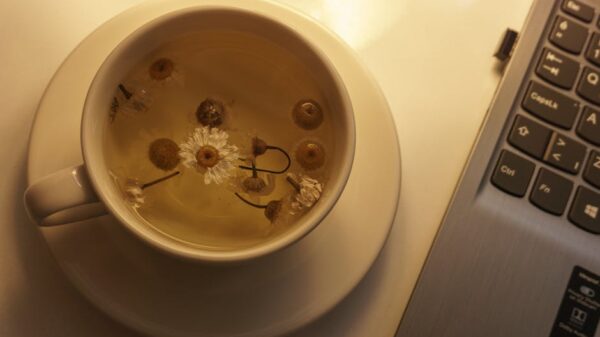
Chamomile has anti-inflammatory compounds and a mild sedative effect that supports rest. Peppermint contains menthol, which creates a cooling sensation that temporarily opens airways and reduces the urge to cough. Neither is a treatment, but both make symptoms noticeably more manageable. A blend of fresh ginger, lemon juice, chamomile, and honey covers most of the bases — congestion, throat irritation, and difficulty sleeping — in a single mug.
Essential oil applications
Eucalyptus and tea tree oils are the most useful for respiratory symptoms. Add two to three drops to a steam bowl or diffuser rather than applying them directly to skin. Undiluted essential oils can cause skin irritation and should always be mixed with a carrier oil if used topically. Lavender on a pillowcase can improve sleep quality when congestion makes it hard to get comfortable — not because it treats the cold, but because sleep itself is one of the most effective things your body can do to recover.
Lifestyle support for faster recovery

How you manage the basics while you’re sick matters as much as any specific remedy.
Rest and sleep
Your immune system does most of its repair work during sleep. This isn’t an abstraction — cytokine production, which is central to fighting infection, increases during sleep and drops with sleep deprivation. Elevating your head with an extra pillow reduces postnasal drip and nighttime coughing. Keep the bedroom cool and turn screens off at least thirty minutes before trying to sleep, even when feeling unwell. The NHS specifically lists rest as one of the primary recommendations for cold recovery, alongside fluids — ahead of most over-the-counter medications.
Hydration and nutrition
Staying well hydrated thins mucus secretions and supports the immune system’s basic functions. Warm liquids — broth, herbal tea, warm water with lemon — provide hydration and comfort at the same time. Chicken soup has earned its reputation for a reason: a 2000 study by pulmonologist Stephen Rennard found it contains compounds that reduce upper respiratory inflammation, beyond just the hydration and warmth it provides.
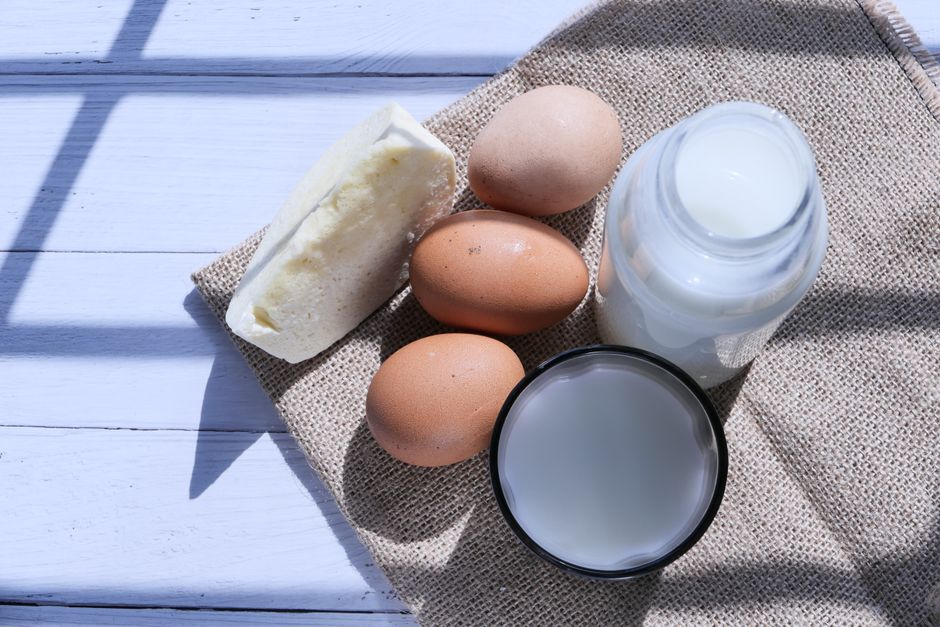
Foods high in vitamin C, such as citrus, bell peppers, and kiwi, and zinc-rich foods like pumpkin seeds, legumes, and eggs, support immune function during illness. You don’t need supplements if you’re eating reasonably — food sources are adequate for most people.
If symptoms last longer than ten days, include a high fever, cause difficulty breathing, or feel significantly worse than a typical cold, see a doctor. Home remedies manage symptoms of a common cold virus. They are not equipped to handle bacterial infections, flu complications, or anything more serious.
Frequently asked questions
If you have existing health conditions or take regular medications, consult a healthcare provider before using herbal remedies or essential oils, as some can interact with certain medications.

Arslan Qamar is the founder of Wellness Tips Now. A long-standing personal interest in natural health led him to spend years self-educating — reading widely and researching what the evidence actually supports. He created this site to share that research in plain, practical language. Arslan is not a medical professional; every article is reviewed for accuracy before publishing, and nothing on this site is intended to replace advice from a qualified healthcare professional. His writing covers natural weight loss, home remedies, nutrition, skincare, sleep, and stress management.