
Key Takeaways
- Fluids, rest and staying cool are the core home measures for managing a fever (Mayo Clinic).
- A low-grade fever often needs no medication; fevers above 102°F (38.9°C) may be eased with acetaminophen or ibuprofen.
- Seek medical care for an adult fever of 103°F (39.4°C) or higher, a fever lasting more than three days, or one with chest pain, confusion, stiff neck or trouble breathing.
- Home remedies support comfort and recovery — they are not a cure for the underlying infection.
A fever is uncomfortable, but it’s also your immune system doing exactly what it’s supposed to do. Raising body temperature makes conditions less hospitable for the viruses and bacteria causing the infection. That means the goal of home management isn’t necessarily to eliminate the fever — it’s to stay comfortable, stay hydrated, and support your body while it works.
Most fevers in otherwise healthy adults resolve within two to three days with rest and fluids alone.
This article is for informational purposes only. Always consult a qualified healthcare professional before making changes to your diet, health, or lifestyle.
Table of contents
- Understanding fever and when to treat it
- Hydration methods for fever relief
- Effective cooling techniques
- Natural herbal remedies
- Rest and nutrition support
- Frequently asked questions
Understanding fever and when to treat it

A fever is a body temperature above 100.4°F (38°C). Low-grade fevers — those between 100.4°F and 102°F — often don’t need active treatment beyond rest and fluids. They’re a functional immune response, and suppressing them too aggressively can occasionally prolong illness.
When fever climbs above 103°F (39.4°C) or causes significant discomfort, taking steps to bring it down makes sense. The goal is symptom management, not a race to normal temperature.
Recognizing fever symptoms
The obvious signs are feeling hot to the touch, sweating, and chills — often in alternating cycles. Headache, muscle aches, and general weakness are common. Appetite usually drops. Monitoring temperature every few hours gives you useful information about whether the fever is stable, rising, or coming down.
When to seek medical attention
Home management is appropriate for most fevers in healthy adults, but some situations require prompt medical care. According to the Mayo Clinic, you should seek medical attention if fever reaches 103°F (39.4°C) or higher, persists beyond three days, or is accompanied by severe headache, stiff neck, difficulty breathing, chest pain, confusion, or a skin rash.
For infants under three months old, any fever above 100.4°F warrants an immediate call to a healthcare provider — their immune systems are not yet equipped to manage infection the same way older children and adults are. Don’t wait to see if it resolves on its own.
Hydration methods for fever relief
Staying hydrated is the single most important thing you can do when managing a fever at home. Elevated body temperature increases fluid loss through sweating and faster breathing. Dehydration makes every fever symptom worse and slows recovery.
Water and electrolyte solutions
Plain water works, but replacing electrolytes lost through sweating helps more. A simple homemade rehydration drink — water with a small pinch of salt and a teaspoon of honey — covers the basics. Coconut water provides potassium and magnesium naturally. Sip consistently throughout the day rather than trying to drink large amounts at once, which can cause nausea.
Oral rehydration solutions available at pharmacies are worth keeping at home, particularly if you have children. They’re formulated to the correct electrolyte concentration for illness recovery and work better than sports drinks or juice for actual dehydration.
Other useful liquids
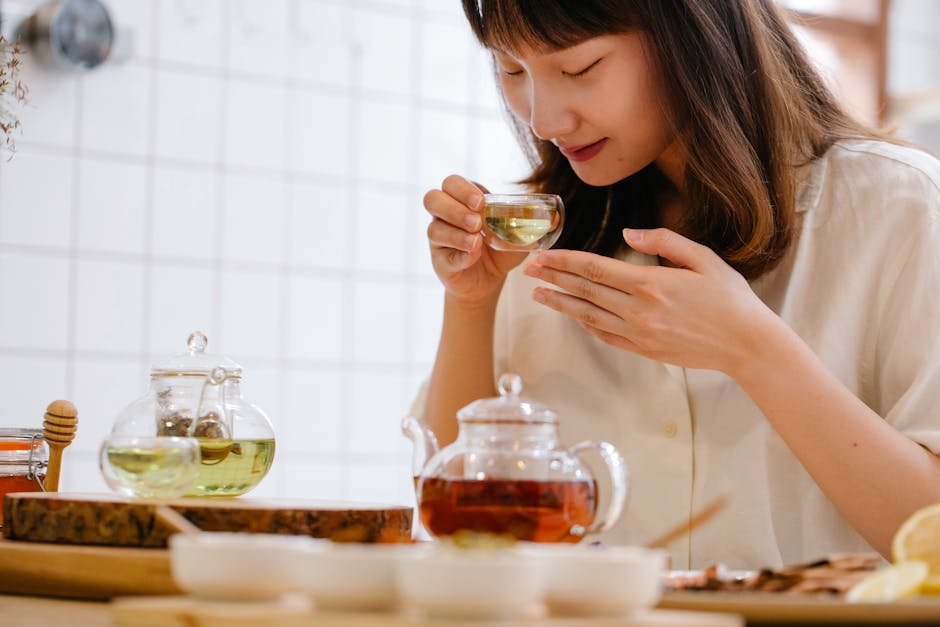
Clear broths provide fluid, electrolytes, and a small amount of nutrition when appetite is low. Warm herbal teas feel soothing when chills are present. Avoid caffeine and sugary sodas — caffeine increases fluid loss, and concentrated sugar can worsen nausea. Keeping a glass of water on the nightstand is a small thing that makes a real difference in how consistently you drink while resting.
Effective cooling techniques

External cooling helps heat escape from the body more efficiently. The key word is gradual — cooling too aggressively triggers shivering, which generates internal heat and can raise core temperature rather than lower it.
Lukewarm sponge baths
Use a cloth dampened with lukewarm water — not cold — and gently sponge the forehead, neck, armpits, and the insides of the wrists and feet. These areas have blood vessels close to the surface, making heat exchange more effective there than on the trunk. Let the water evaporate naturally rather than toweling off immediately. Repeat every few hours as needed.
Avoid ice water or cold baths. The shock causes blood vessels near the skin to constrict, trapping heat inside the body, and triggers shivering that raises core temperature. This is the most common mistake people make with fever cooling.
Room temperature and clothing
Keep the room between 68 and 72°F (20 to 22°C). Use lightweight, breathable bedding — resist the urge to pile on blankets when you feel chills, as this prevents the body from releasing heat. Loose cotton clothing allows air circulation. A fan circulating air in the room is helpful; a fan blowing directly on you is less comfortable and can cause shivering.
Natural herbal remedies
Several herbs have a long history of use during fever and offer genuine comfort, even where clinical evidence is limited. These work best as a complement to hydration and rest, not as substitutes for them.
Ginger tea
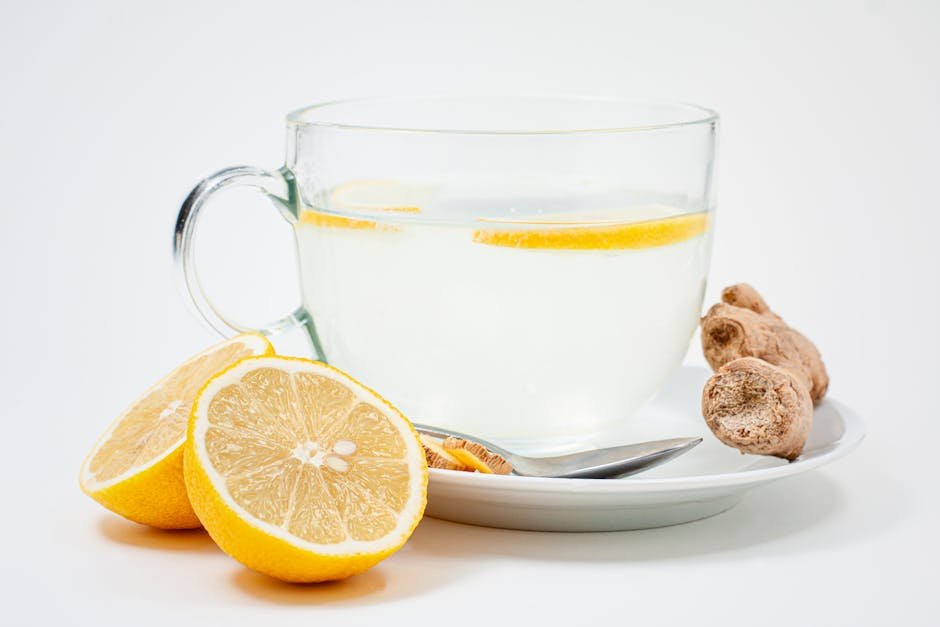
Ginger contains gingerols and shogaols with documented anti-inflammatory properties. Steep several slices of fresh ginger in boiling water for ten minutes, then add honey and lemon. The warmth is soothing during chills, and the compounds in ginger may support immune response. It also settles nausea, which often accompanies fever. Healthline notes that ginger’s anti-inflammatory effects are well-supported by research, though direct fever-reducing studies in humans are limited.
Basil and tulsi infusions
Holy basil, known as tulsi, has been used in Ayurvedic medicine for fever management for centuries. Boil fresh basil leaves in water, strain, and drink twice daily. Adding a small amount of black pepper and honey is a traditional combination that many cultures have relied on for generations. The taste is pleasant, which helps with staying hydrated when nothing sounds appealing.
Elderflower and peppermint
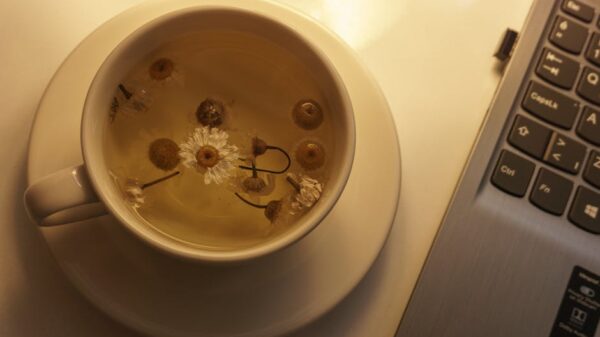
Elderflower tea has traditionally been used to promote sweating, which is part of how fever breaks naturally. Peppermint tea produces a mild cooling sensation and can ease the digestive discomfort that sometimes accompanies illness. Both are gentle enough to drink multiple times a day. Alternating between different herbal teas also makes it easier to keep fluid intake up when plain water becomes monotonous during a multi-day illness.
Rest and nutrition support

Rest is not passive. While you sleep, your immune system ramps up cytokine production — proteins that coordinate the immune response against infection. Cutting sleep short to maintain a normal schedule actively interferes with your body’s ability to fight what’s causing the fever.
Prioritizing quality sleep
Keep the bedroom dark, cool, and quiet. Fever disrupts normal sleep cycles, so rest whenever your body allows rather than trying to maintain rigid sleep and wake times. The NHS lists rest alongside fluids as the two primary recommendations for fever management at home — ahead of most other interventions. There’s a reason it’s always the first advice anyone gives: it works.
Light, nutritious foods
Appetite drops during fever because digestion requires energy your body is redirecting toward immune function. Don’t force large meals. Small amounts of easily digestible food — vegetable broth, plain rice, banana, toast, fresh fruit — provide necessary nutrients without taxing digestion. Chicken soup has genuine evidence behind it: a study by pulmonologist Stephen Rennard found it contains compounds that reduce upper respiratory inflammation beyond the hydration and warmth it provides.
Avoid heavy, greasy, or spicy food during fever. Your digestive system is running at reduced capacity and these foods require more of it.
Vitamin C and immune support
Citrus fruits, strawberries, and bell peppers provide vitamin C needed for immune cell function. Vitamin C won’t reduce fever directly, but maintaining adequate nutrition gives your immune system the raw materials to resolve the underlying infection faster. Small frequent snacks work better than full meals when appetite is minimal.
Frequently asked questions
Fever in infants under three months, fever above 104°F (40°C), or fever accompanied by difficulty breathing, chest pain, stiff neck, severe headache, confusion, or a rash requires immediate medical attention. Do not attempt to manage these situations at home.
Sources & Further Reading
- Mayo Clinic — Fever treatment: Quick guide
- Mayo Clinic — Fever: Diagnosis & treatment
- NHS — High temperature (fever) in adults
Researched and reviewed by Arslan Qamar, founder of Wellness Tips Now. This article is for informational purposes only and is not a substitute for professional medical advice. Always consult a qualified healthcare provider if the fever is very high, lasts more than three days, or is accompanied by warning signs such as breathing difficulty or confusion.

Arslan Qamar is the founder of Wellness Tips Now. A long-standing personal interest in natural health led him to spend years self-educating — reading widely and researching what the evidence actually supports. He created this site to share that research in plain, practical language. Arslan is not a medical professional; every article is reviewed for accuracy before publishing, and nothing on this site is intended to replace advice from a qualified healthcare professional. His writing covers natural weight loss, home remedies, nutrition, skincare, sleep, and stress management.