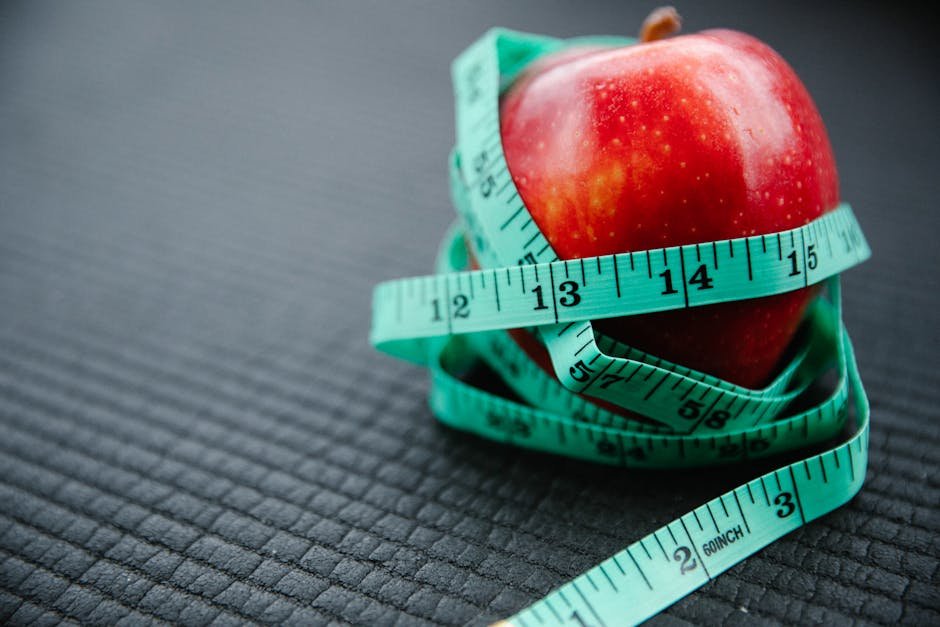
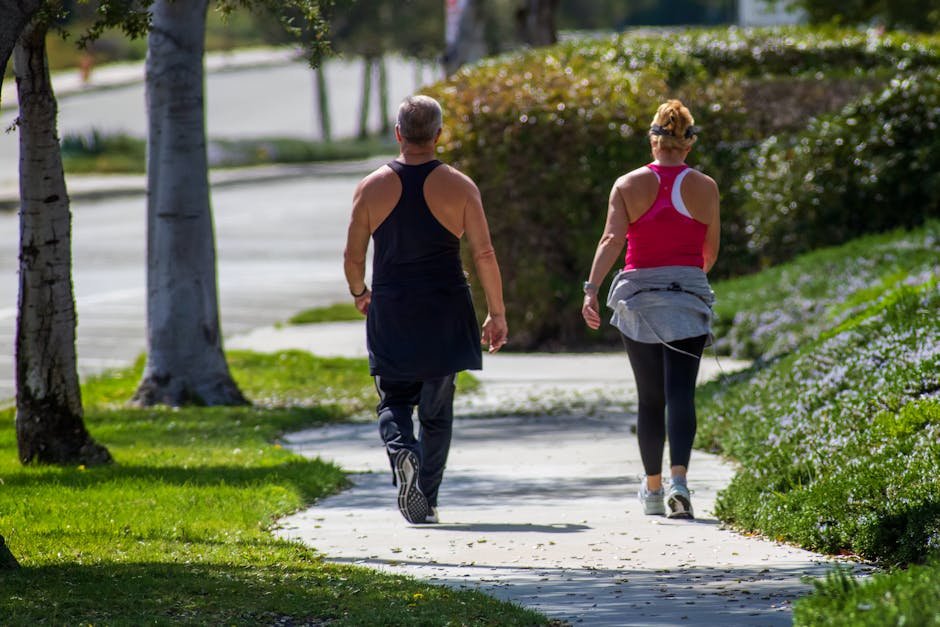
Walking is one of the most accessible and sustainable ways to support your weight loss journey. If you’re wondering how to lose weight by walking, you’re in the right place. This gentle yet effective exercise requires no special equipment, can fit into almost any schedule, and offers numerous health benefits beyond just shedding pounds. Many people find walking to be the perfect starting point for their fitness goals because it’s low-impact, easy to maintain, and can be adjusted to match your current fitness level.
Table of Contents
- Understanding the Basics of Walking for Weight Loss
- Creating an Effective Walking Routine
- Maximizing Your Walking Results
- Nutrition and Hydration for Walking
- Staying Motivated and Tracking Progress
Understanding the Basics of Walking for Weight Loss

Walking can support weight loss by helping you burn calories consistently over time. The key is understanding that this isn’t about quick fixes. A 30-minute brisk walk may help burn between 150 to 200 calories, depending on your weight and pace. What makes walking special is its sustainability. Unlike intense workouts that leave you exhausted, walking is something you can do daily without overwhelming your body.
How Many Calories Does Walking Actually Burn?
Your calorie burn depends on several factors including your current weight, walking speed, and terrain. Generally, a person weighing around 155 pounds might burn approximately 140 calories during a 30-minute walk at a moderate pace. Heavier individuals typically burn more calories, while lighter people burn slightly fewer. Walking uphill or increasing your pace can significantly boost these numbers, making your walks more effective for weight management.
The Science Behind Walking and Weight Loss
Walking supports weight loss by creating a calorie deficit when combined with mindful eating. Your body uses stored fat for energy during extended walking sessions, especially when you maintain a consistent pace. Research suggests that regular walking may help improve metabolism, regulate blood sugar levels, and reduce belly fat over time. The cardiovascular benefits also support overall health, making this exercise valuable beyond just the numbers on the scale.
Creating an Effective Walking Routine
Starting with a realistic routine is essential for long-term success. Begin with 15 to 20 minutes daily if you’re new to exercise, then gradually increase duration and intensity. Consistency matters more than perfection. Many people find that morning walks work best because they start the day energized, but the best time is whenever you can commit regularly to your routine.
Setting Realistic Walking Goals
Aim for at least 150 minutes of moderate walking per week, which translates to about 30 minutes five days weekly. This aligns with general health recommendations and can support gradual weight loss. Start where you are and build gradually. If 30 minutes feels overwhelming, try three 10-minute walks throughout the day. These shorter sessions still contribute to your overall goals and help establish the walking habit without feeling burdensome.
Choosing the Right Walking Pace
Your walking pace significantly impacts results. A leisurely stroll burns fewer calories than brisk walking. Aim for a pace where you can talk but not sing comfortably. This moderate intensity keeps your heart rate elevated enough to support fat burning. You might notice that as your fitness improves, you’ll need to walk faster or add inclines to maintain the same level of challenge and calorie expenditure.
Incorporating Variety Into Your Walks
Mixing up your walking routine prevents boredom and challenges different muscle groups. Try interval walking by alternating between fast and moderate paces. Add hills or stairs to increase intensity. Walking on different surfaces like trails, grass, or sand engages stabilizing muscles differently than pavement. For example, one day you might do a steady 45-minute walk, while another day focuses on 20 minutes of interval training with one-minute speed bursts.
Maximizing Your Walking Results
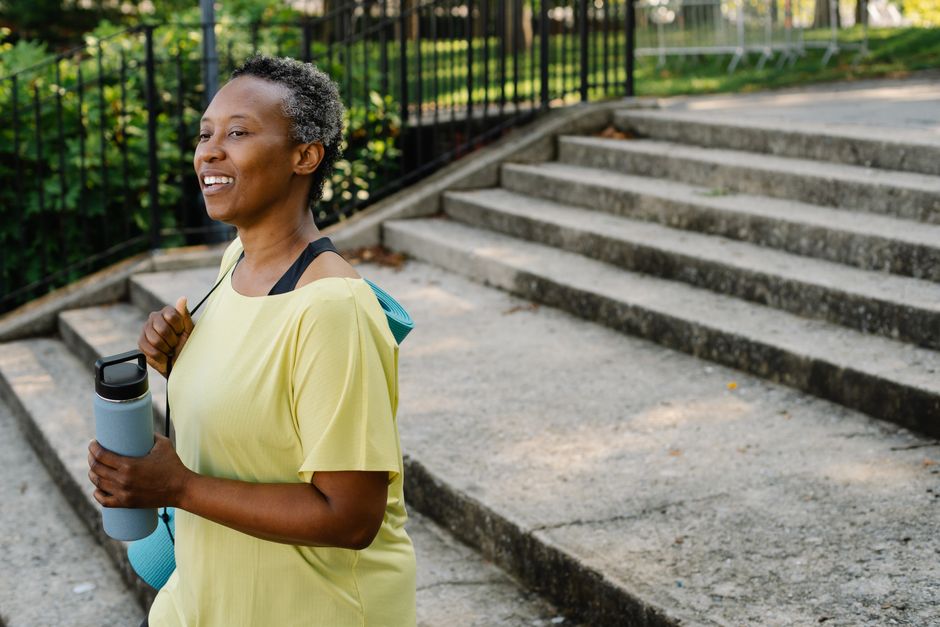
Small adjustments can transform ordinary walks into more effective weight loss sessions. Proper form matters more than most people realize. Keep your head up, shoulders back, and engage your core muscles. Swing your arms naturally, which helps burn additional calories and maintains balance. These simple technique improvements can increase your calorie burn by 5 to 10 percent without requiring extra time or effort.
Adding Strength Elements to Your Walks
Incorporating bodyweight exercises during your walks can boost results. Try stopping every 10 minutes for a set of squats, lunges, or push-ups against a park bench. These additions build lean muscle, which supports a higher metabolic rate even at rest. You don’t need fancy equipment. Walking with light hand weights or a weighted vest can also increase intensity, though start light to avoid strain or poor posture from too much weight.
Using Technology and Apps
Fitness trackers and smartphone apps can help monitor your progress and keep you accountable. Many people find that tracking steps motivates them to walk more throughout the day. Apps can record distance, pace, calories burned, and routes. Seeing your improvements over weeks and months provides tangible evidence of your efforts. Some apps offer virtual challenges or community features that add a social element, making walking more engaging and enjoyable.
Walking Indoors Versus Outdoors
Both indoor and outdoor walking offer benefits. Outdoor walks provide fresh air, changing scenery, and natural terrain variations. Indoor walking on treadmills offers climate control and precise pace management. In real life, the best choice depends on weather, safety, and personal preference. Some people alternate based on conditions. Walking in a mall before stores open gives you a climate-controlled environment with smooth surfaces, perfect for those recovering from injuries or concerned about falls.
Nutrition and Hydration for Walking
Walking alone won’t produce significant weight loss without attention to nutrition. You can’t out-walk a poor diet. Focus on creating a moderate calorie deficit through balanced eating combined with your walking routine. Many people struggle with overestimating calories burned and underestimating calories consumed. A 30-minute walk might burn 150 calories, but a large muffin can contain 400 calories, quickly negating your efforts if you’re not mindful.
Pre-Walk and Post-Walk Eating
For walks under an hour, you generally don’t need special nutrition beforehand. Stay hydrated with water. For longer or more intense walks, a small snack with carbohydrates and protein 30 minutes before can provide energy. After walking, focus on replenishing with balanced meals rather than rewarding yourself with high-calorie treats. This mindset shift helps ensure your walks contribute to your calorie deficit rather than becoming an excuse to overeat later.
Staying Properly Hydrated
Proper hydration supports your walking performance and overall weight loss efforts. Drink water throughout the day, not just during walks. For walks lasting less than an hour, water before and after is typically sufficient. Longer walks may require bringing water along. Dehydration can reduce energy levels and make walks feel harder than necessary. Your urine color provides a simple hydration check. Pale yellow indicates good hydration, while dark yellow suggests you need more fluids.
Staying Motivated and Tracking Progress
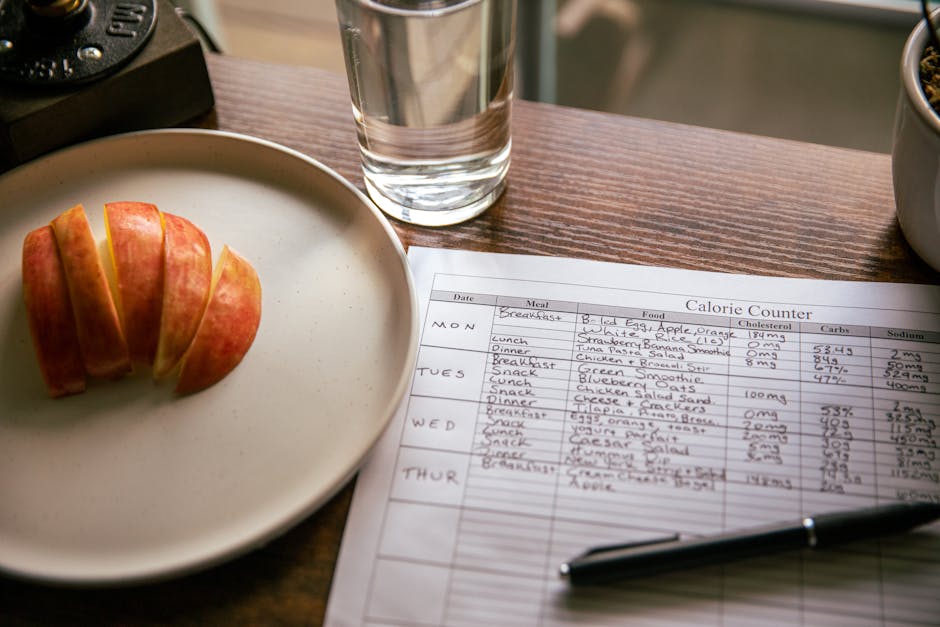
Maintaining motivation over weeks and months determines long-term success. Set specific, measurable goals beyond just weight loss. Perhaps you want to walk a certain distance without stopping or complete a local charity walk. These performance goals keep you engaged even when the scale doesn’t move as quickly as you’d like. Remember that weight loss isn’t always linear, and walking provides benefits even during plateaus.
Finding Walking Partners or Groups
Walking with others adds accountability and social enjoyment. Many communities have walking groups for various fitness levels. A walking partner makes you less likely to skip sessions. Conversations during walks make time pass quickly. If finding local partners proves difficult, virtual walking challenges connect you with people worldwide. Some people prefer solo walks for meditation and alone time, which is perfectly fine. Choose what supports your consistency.
Celebrating Non-Scale Victories
Weight loss is just one indicator of progress. Notice when climbing stairs becomes easier, clothes fit better, or energy levels improve. These non-scale victories often appear before significant weight changes. Track how walking improves your mood, sleep quality, and overall fitness. Many people find that these quality-of-life improvements become more motivating than numbers on a scale. Taking progress photos monthly can reveal changes that daily mirror checks miss completely.
Overcoming Common Walking Obstacles
Weather, time constraints, and motivation dips challenge even dedicated walkers. Have backup plans ready. Keep an indoor walking video or treadmill routine available for bad weather days. Break walks into shorter sessions when schedules tighten. On low-motivation days, commit to just 10 minutes. Usually, once you start, continuing becomes easier. Proper footwear prevents discomfort and injuries that derail progress. Invest in quality walking shoes that provide adequate support for your specific foot type and gait.
Conclusion
Learning how to lose weight by walking involves combining consistent effort with smart strategies. Walking offers a sustainable, accessible approach to weight loss that fits almost any lifestyle. Start with realistic goals, gradually increase intensity, pay attention to nutrition, and focus on building a lasting habit rather than seeking quick results. Remember that everyone’s journey is unique. What works for others might need adjustment for you. The beauty of walking is its flexibility and adaptability to your specific needs, schedule, and fitness level. Stay patient, trust the process, and celebrate every step forward in your wellness journey.
Frequently Asked Questions (FAQs)
How long should I walk daily to lose weight?
Aim for at least 30 minutes of brisk walking most days of the week. This duration can support gradual weight loss when combined with healthy eating habits. You can split this into shorter sessions if needed for your schedule.
Is walking better than running for weight loss?
Walking is gentler on joints and more sustainable for many people, making it easier to maintain long-term. While running burns more calories per minute, walking’s sustainability often leads to better overall results because people stick with it consistently over time.
Can I lose belly fat by walking?
Walking can support overall fat loss, including belly fat, when combined with a calorie deficit. However, you cannot target specific areas for fat loss. Regular walking may help reduce visceral fat over time as part of total body fat reduction.
What is the best time to walk for weight loss?
The best time is whenever you can consistently commit to walking. Some research suggests morning walks before breakfast might slightly enhance fat burning, but the difference is minimal. Consistency and duration matter more than specific timing for weight loss.
Do I need special equipment to start walking for weight loss?
Quality walking shoes with proper support are the most important investment. Comfortable, moisture-wicking clothing helps but isn’t essential initially. A fitness tracker or smartphone app can help track progress but isn’t required to start your walking journey successfully.