Key Takeaways
- A “slow metabolism” is rarely the main cause of weight gain — what and how much you eat plus activity matter most (Mayo Clinic).
- Strength training builds muscle, which burns more calories than fat — even at rest.
- High-intensity interval training can keep your metabolism elevated for hours after you finish.
- Green tea and protein- and fiber-rich foods give a small thermogenic boost — helpful, but modest.
Have you ever wondered why some people seem to eat whatever they want without gaining weight, while others struggle with every calorie? The answer often lies in metabolism. If you’re looking for natural ways to speed up metabolism, you’re in the right place. Your metabolic rate doesn’t have to be something you’re stuck with forever, and you definitely don’t need expensive supplements or extreme diets to give it a boost.
In this guide, we’ll explore practical, science-backed strategies that can help support a healthier metabolism. Many people find that small, consistent changes make the biggest difference over time.
Table of Contents
- What Is Metabolism and Why Does It Matter?
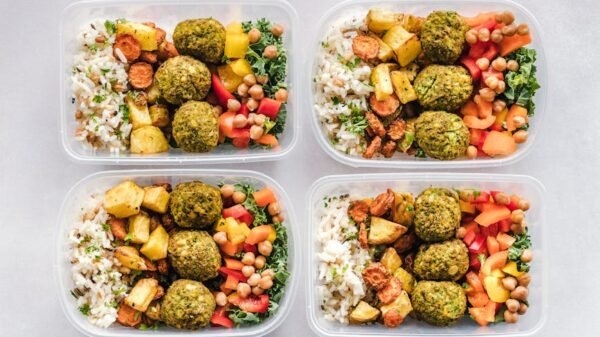
- Eat More Protein-Rich Foods
- Build Muscle Through Strength Training
- Stay Properly Hydrated Throughout the Day
- Prioritize Quality Sleep and Stress Management
- Increase Daily Movement and NEAT
- Optimize Your Eating Patterns
- Conclusion
- Frequently Asked Questions
What Is Metabolism and Why Does It Matter?
Before diving into strategies, let’s talk about what metabolism actually means. Simply put, metabolism refers to all the chemical processes your body uses to convert food into energy. Even when you’re resting, your body needs energy for breathing, circulating blood, and repairing cells.
The Components of Your Metabolic Rate
Your total daily energy expenditure includes several factors. Your basal metabolic rate (BMR) accounts for about 60-75% of calories burned and represents the energy needed for basic functions. Physical activity burns another 15-30%, while the thermic effect of food-the energy used to digest, absorb, and process nutrients-accounts for roughly 10%.
Can You Really Change Your Metabolism?
Here’s the truth: while genetics play a role, you have more control than you might think. Many people struggle with the misconception that metabolism is fixed, but research suggests that lifestyle factors can significantly influence how efficiently your body burns calories.
Eat More Protein-Rich Foods
One of the most effective natural ways to speed up metabolism involves adjusting what’s on your plate. Protein has a much higher thermic effect compared to carbohydrates or fats.
Why Protein Makes a Difference
When you eat protein, your body uses 20-30% of those calories just to digest and process it. Compare that to carbs (5-10%) and fats (0-3%), and you can see why protein matters. For example, if you eat 100 calories of protein, your body might use 25-30 calories just breaking it down.
Practical Protein Tips
You don’t need to overhaul your entire diet overnight. Try adding eggs to breakfast, including Greek yogurt as a snack, or ensuring each meal has a palm-sized portion of lean meat, fish, legumes, or tofu. Many people find that increasing protein naturally reduces cravings and helps maintain muscle mass during weight loss.
Build Muscle Through Strength Training
If you’re serious about boosting your metabolism long-term, building muscle should be a priority. Muscle tissue burns more calories at rest than fat tissue does.
The Muscle-Metabolism Connection
In real life, this means that two people of the same weight can have very different metabolic rates depending on their body composition. Someone with more muscle mass will burn more calories throughout the day, even while sleeping or watching television.
Getting Started With Strength Training
You might notice that you don’t need fancy equipment to start. Bodyweight exercises like push-ups, squats, and lunges work wonderfully. If you have access to weights, even better. Aim for at least two strength training sessions per week, targeting all major muscle groups. The beauty of strength training is that the benefits continue long after your workout ends.
Stay Properly Hydrated Throughout the Day
Something as simple as drinking enough water can support your metabolic function. Research suggests that drinking water may temporarily boost metabolism through a process called water-induced thermogenesis.
How Water Affects Metabolism
Studies have shown that drinking about 500ml of water may increase metabolic rate by approximately 10-30% for about an hour. Your body uses energy to heat the water to body temperature, which burns additional calories.
Smart Hydration Habits
Start your day with a glass of water before breakfast. Keep a water bottle handy throughout the day. Many people find that drinking water before meals also helps with portion control. Cold water might provide a slightly greater metabolic boost since your body works harder to warm it up, though the difference is relatively small.
Prioritize Quality Sleep and Stress Management
This might surprise you, but how well you sleep and manage stress can significantly impact your metabolism. These factors often get overlooked, yet they’re incredibly important.
The Sleep-Metabolism Link
When you don’t get enough quality sleep, your body’s hormonal balance gets disrupted. Lack of sleep can affect hormones that regulate hunger and metabolism, potentially slowing your metabolic rate. Most adults need 7-9 hours of quality sleep per night.
Managing Stress for Better Metabolism
Chronic stress leads to elevated cortisol levels, which can negatively affect how your body processes food and stores fat. In my experience, people who incorporate stress-reduction techniques-like meditation, deep breathing, or simply taking regular breaks-often report feeling better overall and finding it easier to maintain a healthy weight.
Creating Better Sleep Habits
Try maintaining consistent sleep and wake times, even on weekends. Keep your bedroom cool and dark. Limit screen time before bed. These simple changes may help improve both sleep quality and metabolic health.
Increase Daily Movement and NEAT
Beyond structured exercise, your daily movement patterns play a crucial role. NEAT stands for Non-Exercise Activity Thermogenesis-basically, all the calories you burn through daily activities that aren’t formal exercise.
Why NEAT Matters More Than You Think
NEAT can vary by up to 2,000 calories per day between individuals. That’s huge! Someone who stands frequently, takes the stairs, and moves around throughout the day burns significantly more calories than someone who sits most of the time.
Boosting Your Daily Movement
For example, you could set a timer to stand and stretch every hour, take phone calls while walking, park farther from store entrances, or do household chores more vigorously. These small actions add up significantly over time. You might notice increased energy levels too, which is a nice bonus.
Optimize Your Eating Patterns
How you eat can be just as important as what you eat when it comes to supporting a healthy metabolism.
Don’t Skip Meals Regularly
While occasional fasting has its place, chronically skipping meals or eating too few calories can actually slow your metabolism over time. Your body adapts to lower calorie intake by becoming more efficient-which sounds good but actually means burning fewer calories.
Include Metabolism-Supporting Foods
Certain foods and beverages may provide a small metabolic boost. Green tea contains compounds that may support fat burning. Spicy foods with capsaicin (like chili peppers) might slightly increase calorie burning. Coffee’s caffeine content can temporarily boost metabolism. While these effects are modest, every little bit can help when combined with other strategies.
Eat Enough Calories
This might seem counterintuitive when trying to lose weight, but eating too little can backfire. Your body needs adequate fuel to function optimally. Severe calorie restriction signals your body to conserve energy, potentially lowering your metabolic rate. A moderate, sustainable approach works better long-term.
Conclusion
Discovering natural ways to speed up metabolism isn’t about finding a magic solution-it’s about making sustainable lifestyle changes that support your body’s natural processes. By incorporating more protein into your meals, building muscle through strength training, staying hydrated, getting quality sleep, managing stress, increasing daily movement, and optimizing your eating patterns, you can support a healthier metabolism.
Remember that everyone’s body is different, and what works wonderfully for one person might need adjustment for another. The key is consistency. Small, daily actions compound over time to create meaningful results. You don’t need to implement everything at once. Start with one or two strategies that feel most manageable, then gradually add more as these become habits.
Your metabolism is just one piece of the overall health puzzle, but it’s an important one. By taking a natural, holistic approach, you’re not just potentially burning more calories-you’re building a foundation for better health overall.
Frequently Asked Questions
Sources & Further Reading
- Mayo Clinic — Metabolism and weight loss
- Harvard Health — Can you increase your metabolism?
- Harvard Health — The truth about metabolism
Researched and reviewed by Arslan Qamar, founder of Wellness Tips Now. This article is for informational purposes only and is not a substitute for professional medical advice. Always consult a qualified healthcare provider before starting a new diet or exercise programme, especially if you have an underlying health condition.

Arslan Qamar is the founder of Wellness Tips Now. A long-standing personal interest in natural health led him to spend years self-educating — reading widely and researching what the evidence actually supports. He created this site to share that research in plain, practical language. Arslan is not a medical professional; every article is reviewed for accuracy before publishing, and nothing on this site is intended to replace advice from a qualified healthcare professional. His writing covers natural weight loss, home remedies, nutrition, skincare, sleep, and stress management.