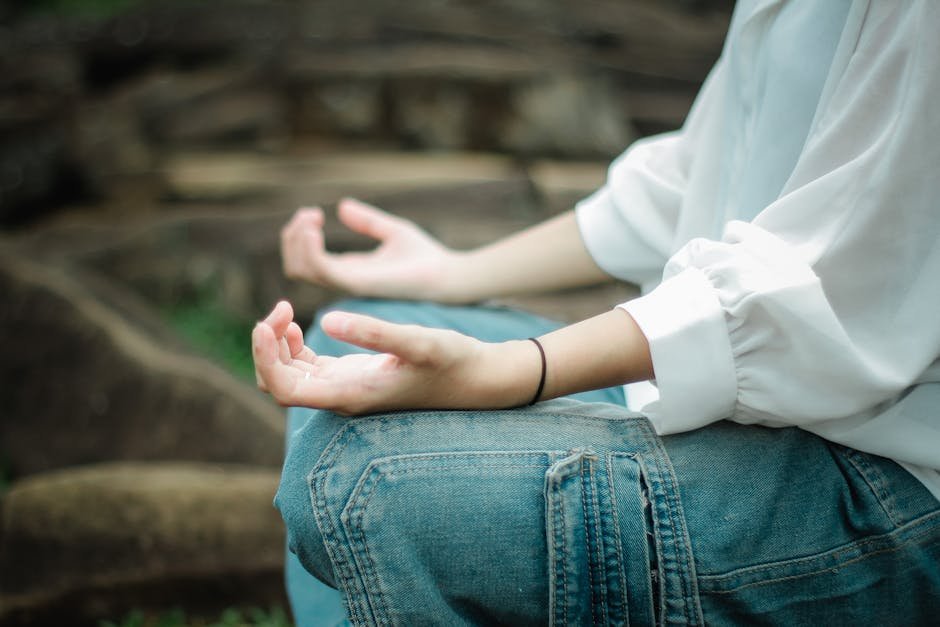

The benefits of meditation for mental health have captured the attention of researchers and practitioners worldwide. Modern neuroscience reveals that regular meditation practice can fundamentally transform brain structure and function, leading to improved emotional regulation, reduced anxiety, and enhanced cognitive performance. Studies suggest that even brief daily meditation sessions can produce measurable changes in mental wellbeing. This ancient practice, now backed by contemporary research, offers accessible tools for managing stress, depression, and various psychological challenges. Whether practiced at home or in group settings, meditation provides a natural approach to mental health maintenance that works effectively across different cultures and climates, making it a universally beneficial practice for psychological wellness.
Table of Contents
- Stress Reduction and Cortisol Management
- Anxiety and Depression Relief Through Meditation
- Cognitive Enhancement and Brain Function
- Emotional Regulation and Self-Awareness
- Practical Implementation for Daily Life
Stress Reduction and Cortisol Management

Research indicates that meditation serves as a powerful tool for managing stress hormones, particularly cortisol. Regular meditation practice can significantly lower cortisol levels throughout the day, creating a natural buffer against chronic stress responses. This hormonal regulation occurs through activation of the parasympathetic nervous system, which promotes relaxation and recovery.
Physiological Stress Response Changes
The key point is that meditation directly influences the hypothalamic-pituitary-adrenal axis, which governs stress hormone production. Studies show that practitioners experience reduced inflammatory markers and improved immune function. Blood pressure measurements often decrease after consistent meditation practice, demonstrating cardiovascular benefits. Heart rate variability also improves, indicating better stress resilience and autonomic nervous system balance.
Long-term Stress Management
Experts recommend establishing a daily meditation routine to maximize stress reduction benefits. Even ten-minute sessions can produce measurable improvements in stress perception and coping mechanisms. The practice builds cumulative resilience, allowing individuals to respond rather than react to challenging situations. This enhanced stress management capability extends beyond meditation sessions, influencing daily interactions and decision-making processes.
Anxiety and Depression Relief Through Meditation
Current research demonstrates that meditation can be as effective as conventional treatments for mild to moderate anxiety and depression. The practice works by interrupting negative thought patterns and creating space between thoughts and emotional reactions. Mindfulness meditation particularly excels at breaking cycles of rumination and worry that characterize these conditions.
Neuroplasticity and Mood Regulation
Brain imaging studies reveal that meditation strengthens neural pathways associated with emotional regulation while weakening connections linked to anxiety and depressive thinking. The prefrontal cortex, responsible for executive function and emotional control, shows increased activity and thickness in regular meditators. Meanwhile, the amygdala, which processes fear and stress responses, becomes less reactive to perceived threats.
Mindfulness-Based Interventions
Structured meditation programs have shown remarkable success in clinical settings for treating anxiety disorders and depression. These interventions teach participants to observe thoughts without judgment, reducing the emotional charge of negative thinking patterns. The practice cultivates acceptance and present-moment awareness, counteracting the future-focused worry of anxiety and past-focused rumination of depression. Participants often report improved mood stability and reduced symptom severity within weeks of beginning practice.
Cognitive Enhancement and Brain Function

The cognitive benefits of meditation extend far beyond stress relief, encompassing improvements in attention, memory, and executive function. Regular practice enhances working memory capacity and sustained attention abilities. These improvements occur naturally through consistent training of attentional skills during meditation sessions.
Attention and Focus Improvements
Research shows that meditation strengthens the brain’s ability to maintain focused attention while filtering out distractions. The anterior cingulate cortex, crucial for attention regulation, shows enhanced activity in experienced meditators. This translates to improved concentration during daily tasks and better ability to stay present during conversations and activities. The practice essentially trains the mind like a muscle, building stronger attentional control over time.
Memory and Learning Enhancement
Studies suggest that meditation positively impacts both short-term and long-term memory formation. The hippocampus, essential for memory consolidation, shows increased gray matter density in regular practitioners. This enhancement supports better information retention and recall abilities. Additionally, meditation appears to slow age-related cognitive decline, helping maintain mental sharpness across the lifespan. The practice may also improve creative thinking and problem-solving capabilities through enhanced cognitive flexibility.
Emotional Regulation and Self-Awareness
One of the most profound benefits of meditation involves developing greater emotional intelligence and self-awareness. The practice creates space between stimulus and response, allowing for more thoughtful reactions to emotional triggers. This enhanced emotional regulation impacts relationships, work performance, and overall life satisfaction.
Developing Emotional Intelligence
Meditation cultivates the ability to recognize emotions as they arise without being overwhelmed by them. This skill, known as emotional granularity, allows for more nuanced understanding of internal states. Practitioners learn to identify subtle emotional shifts and respond appropriately rather than reactively. The practice also enhances empathy and compassion, improving interpersonal relationships and social connections.
Self-Compassion and Acceptance
Regular meditation practice fosters a kinder, more accepting relationship with oneself. This self-compassion reduces internal criticism and harsh self-judgment that often contribute to mental health challenges. The practice teaches acceptance of present-moment experiences, including difficult emotions, without trying to immediately change or fix them. This acceptance paradoxically creates space for natural healing and positive change to occur organically.
Practical Implementation for Daily Life

Successfully integrating meditation into daily routine requires practical strategies that work within existing schedules and lifestyles. The key is starting small and building consistency rather than attempting lengthy sessions initially. Even brief moments of mindfulness throughout the day can provide significant mental health benefits.
Beginning Your Practice
Experts recommend starting with just five minutes daily to establish the habit before gradually increasing duration. Choose a consistent time and quiet location where interruptions are minimal. Focus on breath awareness, simply noticing the sensation of breathing without trying to control it. When the mind wanders, gently return attention to the breath without self-judgment. This simple approach forms the foundation for more advanced techniques.
Overcoming Common Obstacles
Many beginners struggle with restless thoughts or physical discomfort during meditation. These experiences are completely normal and part of the learning process. The goal is not to eliminate thoughts but to change your relationship with them. If sitting still proves challenging, try walking meditation or gentle movement practices. Guided meditations can provide helpful structure for beginners, while apps and online resources offer convenient access to instruction suitable for all experience levels and suitable for practice anywhere in the world.
Conclusion
The benefits of meditation for mental health are both extensive and scientifically validated, offering natural and accessible support for psychological wellbeing. From stress reduction and anxiety relief to cognitive enhancement and emotional regulation, regular meditation practice provides comprehensive mental health benefits that work effectively at home without requiring prescription interventions. The practice adapts to individual needs and schedules, making it suitable for people across different lifestyles and circumstances. Modern research continues to unveil new mechanisms through which meditation supports brain health and emotional resilience. By incorporating even brief daily sessions, individuals can harness these powerful benefits to transform their mental health naturally and sustainably.
Frequently Asked Questions (FAQs)
How long does it take to see mental health benefits from meditation?
Many people notice initial improvements in stress levels and mood within the first few weeks of regular practice, though deeper changes develop over months.
Can meditation replace therapy or medication for mental health conditions?
Meditation can complement traditional treatments but should not replace professional mental health care for serious conditions without consulting healthcare providers first.
What type of meditation is best for beginners interested in mental health benefits?
Mindfulness meditation focusing on breath awareness provides an excellent starting point, as it’s simple to learn and offers comprehensive mental health benefits.
How often should I meditate to experience mental health improvements?
Daily practice, even for just 5-10 minutes, tends to be more beneficial than longer but infrequent sessions for building lasting mental health benefits.
Is it normal to feel more anxious when starting meditation practice?
Yes, increased awareness of thoughts and feelings initially can feel overwhelming, but this typically decreases as you develop greater comfort with the practice.
Consult a healthcare professional before trying new remedies, especially if you have existing mental health conditions or are currently receiving treatment.

Arslan Qamar is the founder of Wellness Tips Now. A long-standing personal interest in natural health led him to spend years self-educating — reading widely and researching what the evidence actually supports. He created this site to share that research in plain, practical language. Arslan is not a medical professional; every article is reviewed for accuracy before publishing, and nothing on this site is intended to replace advice from a qualified healthcare professional. His writing covers natural weight loss, home remedies, nutrition, skincare, sleep, and stress management.