Feeling down or emotionally drained has become increasingly common in our fast-paced world. Many people find themselves searching for natural ways to improve mood without relying on medications or expensive treatments. The good news is that effective mood-boosting strategies can be implemented at home, regardless of your location or circumstances. These time-tested approaches work by naturally supporting your body’s own mood-regulating systems, helping you feel more balanced and energized throughout the day.
Table of Contents
- Understanding Natural Mood Fluctuations
- Movement and Sunshine Therapy
- Nutrition for Emotional Balance
- Mindfulness and Breathing Practices
- Social Connections and Creative Expression
Understanding Natural Mood Fluctuations

Your mood naturally ebbs and flows throughout the day, influenced by various factors including hormones, sleep patterns, and environmental conditions. What’s interesting is that your brain produces several mood-regulating chemicals like serotonin, dopamine, and endorphins. When these neurotransmitters function optimally, you’ll notice improved emotional stability and overall wellbeing.
Modern research reveals that certain lifestyle choices can significantly impact these chemical messengers. Rather than viewing mood dips as permanent states, understanding them as temporary fluctuations empowers you to take proactive steps. Your body possesses remarkable self-healing capabilities when provided with the right conditions. Here’s the thing: small, consistent changes often produce more lasting results than dramatic interventions. Many find that addressing multiple factors simultaneously creates a synergistic effect, naturally elevating mood levels.
Movement and Sunshine Therapy
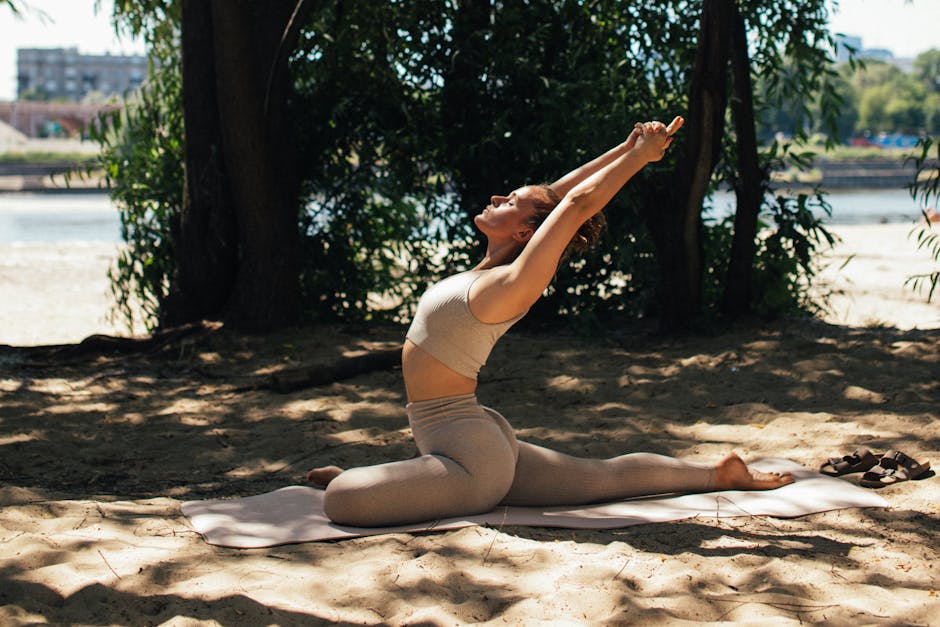
Physical activity serves as one of the most powerful natural mood enhancers available. You don’t need intense workouts to experience benefits – even gentle movement like walking, stretching, or dancing can trigger the release of endorphins, your body’s natural feel-good chemicals. In practice, many people discover that just 15-20 minutes of daily movement significantly improves their emotional state.
Combining movement with sunlight exposure creates an even more potent mood-boosting effect. Natural light helps regulate your circadian rhythm while supporting vitamin D production, both crucial for emotional balance. What’s particularly effective is morning sunlight exposure, which can help reset your internal clock and improve sleep quality. Consider activities like gardening, outdoor walking, or simply sitting near a sunny window. This approach works globally and is suitable for all climates – even on cloudy days, outdoor light exposure provides benefits. You’ll notice that consistent morning light exposure often leads to better sleep patterns and more stable moods throughout the day.
Nutrition for Emotional Balance

The foods you consume directly influence your brain chemistry and emotional state. Certain nutrients act as building blocks for mood-regulating neurotransmitters, while others provide steady energy that prevents mood swings. Omega-3 fatty acids found in fish, walnuts, and flaxseeds support brain health and may help stabilize emotions naturally.
Complex carbohydrates like oats, quinoa, and sweet potatoes provide sustained energy while supporting serotonin production. Many find that incorporating probiotic-rich foods such as yogurt, kefir, or fermented vegetables improves their mood through the gut-brain connection. What’s fascinating is how blood sugar stability affects emotional regulation – eating balanced meals with protein, healthy fats, and fiber helps maintain steady energy levels.
Staying adequately hydrated also plays a crucial role in mood regulation. Even mild dehydration can impact concentration and emotional balance. Consider herbal teas like chamomile or green tea, which provide additional mood-supporting compounds. These nutritional strategies work naturally at home and don’t require expensive supplements or specialized diets.
Mindfulness and Breathing Practices
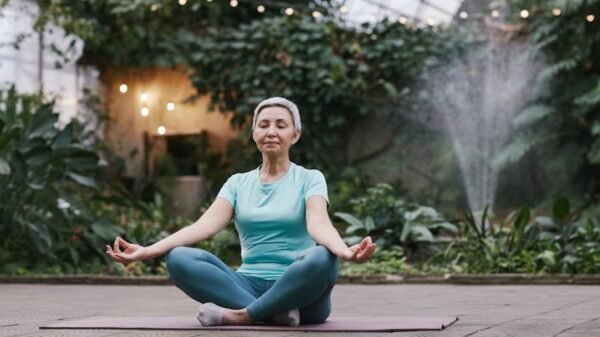
Simple breathing techniques can quickly shift your emotional state by activating your body’s relaxation response. Deep, controlled breathing signals your nervous system to move from stress mode into a calmer state. You’ll find that practicing diaphragmatic breathing for just five minutes can provide immediate mood relief.
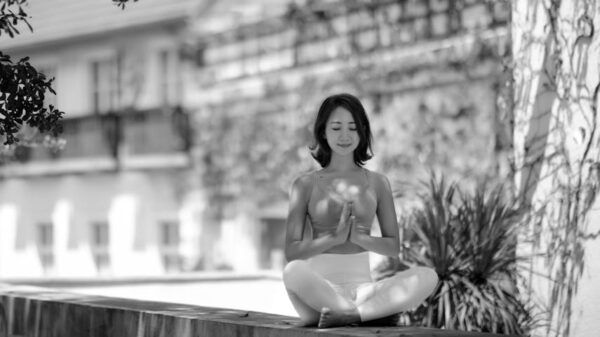
Mindfulness meditation, even in brief sessions, helps create emotional distance from negative thoughts and feelings. Many discover that regular meditation practice increases their resilience to daily stressors. What’s particularly helpful is that these techniques can be practiced anywhere, making them perfect for busy lifestyles. Progressive muscle relaxation, where you systematically tense and release muscle groups, combines physical and mental relaxation.
Gratitude practices also naturally elevate mood by shifting focus toward positive aspects of life. Consider keeping a simple gratitude journal or mentally noting three positive things each day. These practices work without prescription and are suitable for all ages and circumstances. In practice, combining different mindfulness techniques often provides the most comprehensive mood support.
Social Connections and Creative Expression
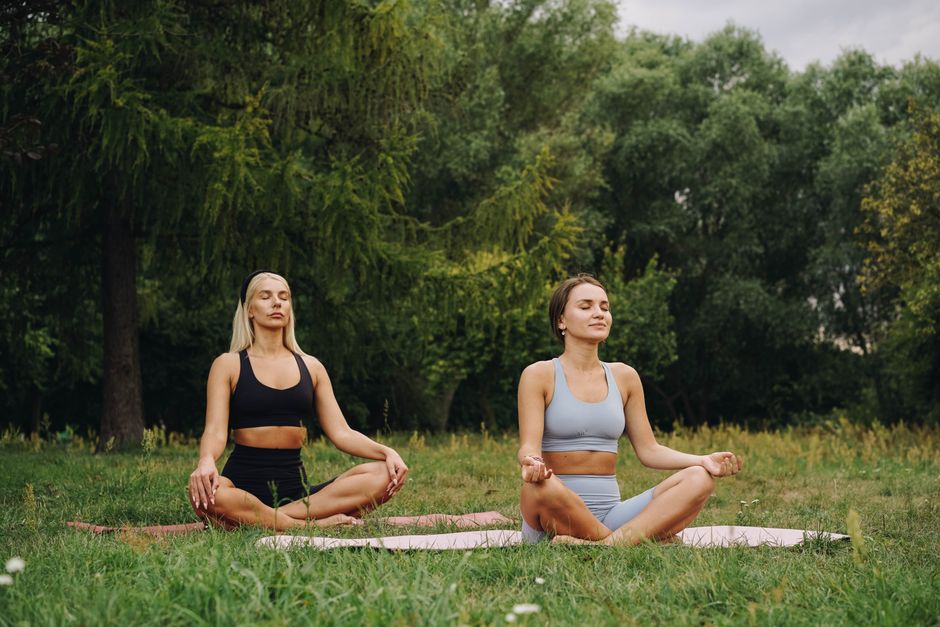
Human connections play a vital role in emotional wellbeing. Meaningful conversations, shared laughter, or simply spending time with supportive people can naturally boost mood through the release of oxytocin and other bonding hormones. You don’t need large social circles – quality relationships matter more than quantity.
Creative activities provide another powerful avenue for mood improvement. Whether it’s drawing, writing, playing music, or crafting, creative expression allows emotional processing while generating feelings of accomplishment. Many find that engaging in creative pursuits creates a natural flow state that temporarily suspends worry and negative thinking.
Helping others through volunteering or simple acts of kindness also naturally elevates mood. This phenomenon, sometimes called the “helper’s high,” demonstrates how giving activates reward centers in the brain. Consider combining social connection with creative activities – joining clubs, taking classes, or participating in community projects. These approaches work globally and can be adapted to various cultural contexts and personal preferences. What’s remarkable is how these natural mood boosters often create positive cycles, where improved mood leads to more social engagement and creative expression.
Implementation Tips: Start with one or two strategies that resonate most with you rather than attempting everything at once. Consistency matters more than perfection, so aim for small daily practices rather than sporadic intensive efforts. Track your mood patterns to identify which natural approaches work best for your unique situation. Remember that results may take time to manifest fully.
Frequently Asked Questions (FAQs)
Some techniques like deep breathing provide immediate relief, while others like regular exercise show benefits within weeks of consistent practice.
Yes, combining approaches often enhances effectiveness. Start gradually and pay attention to how different combinations affect your overall wellbeing.
Persistent mood issues may require professional support. Natural methods work best for mild to moderate mood fluctuations and general wellness.
Generally, 15-30 minutes of morning sunlight can help regulate circadian rhythms and support vitamin D production for mood stability.
Most natural methods are safe when practiced moderately. However, dramatic dietary changes or intense exercise should be approached gradually and mindfully.
Consult a healthcare professional before trying new remedies, especially if you’re experiencing persistent mood difficulties or taking medications.

Arslan Qamar is the founder of Wellness Tips Now. A long-standing personal interest in natural health led him to spend years self-educating — reading widely and researching what the evidence actually supports. He created this site to share that research in plain, practical language. Arslan is not a medical professional; every article is reviewed for accuracy before publishing, and nothing on this site is intended to replace advice from a qualified healthcare professional. His writing covers natural weight loss, home remedies, nutrition, skincare, sleep, and stress management.