Key Takeaways
- Self-care basics — regular exercise (even a 30-minute walk), balanced meals, hydration and good sleep — directly support mental wellbeing (NIMH).
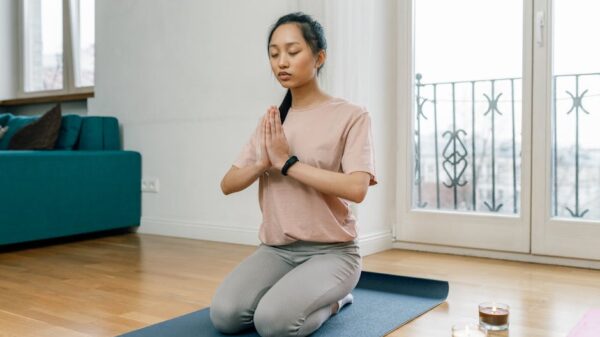
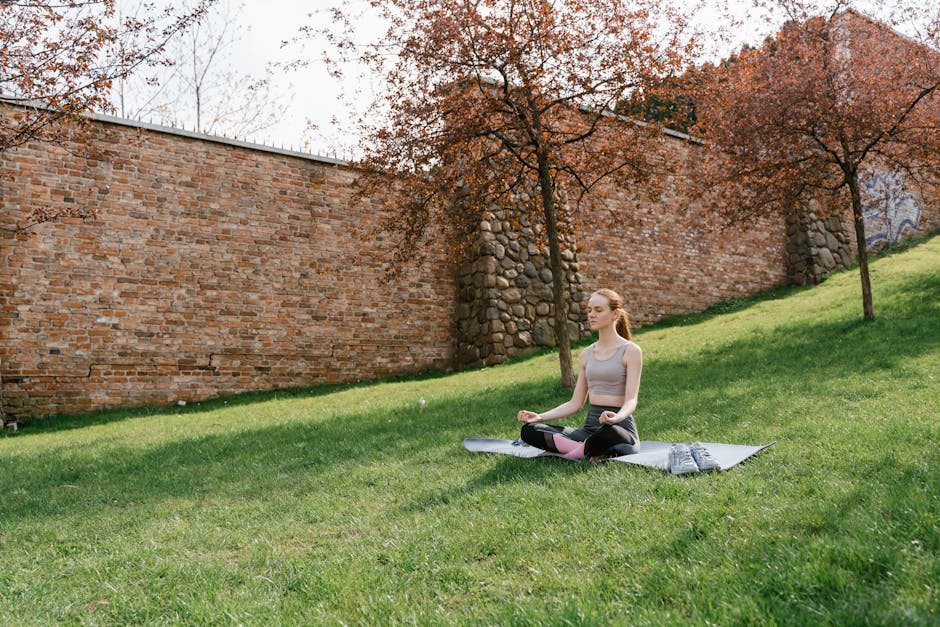
- Mindfulness, journaling, meditation or yoga can lower stress and lift mood.
- Strong social connections build a sense of belonging, self-worth and emotional support.
- Self-care is individual — it can take trial and error to find what works, and persistent low mood deserves professional help.
Sarah noticed her anxiety creeping up again during her lunch break. The familiar tightness in her chest, racing thoughts about deadlines, and that overwhelming feeling of being stuck in quicksand. She realized her old coping strategies weren’t cutting it anymore. Like many people, she needed a structured self care routine for mental health that actually fit into her real life.
Mental health self care isn’t about expensive spa days or hour-long meditation retreats. It’s about small, consistent actions that build resilience over time. The right routine can help you manage stress, improve your mood, and feel more grounded when life gets chaotic.
Table of contents
- Morning routine foundation
- Movement and physical care
- Mindful moments throughout the day
- Evening wind-down practices
- Weekly mental health check-ins
Morning routine foundation

Your morning sets the tone for everything that follows. A solid start doesn’t require waking up at 5 AM or following a 12-step ritual. Three simple practices can make the difference between feeling scattered and feeling centered.
Start with intentional breathing
Before checking your phone or jumping into the day’s tasks, spend two minutes breathing deeply. Inhale for four counts, hold for four, exhale for six. This activates your parasympathetic nervous system and tells your brain that you’re safe.
Place one hand on your chest, one on your belly. The hand on your belly should move more than the one on your chest. This ensures you’re breathing from your diaphragm, which maximizes the calming effect.
Write three things you’re grateful for
Gratitude practice rewires your brain to notice positive things throughout the day. Write them down rather than just thinking them. The physical act of writing strengthens the neural pathways associated with positive thinking.
Be specific. Instead of “I’m grateful for my family,” write “I’m grateful my daughter laughed at my terrible joke yesterday.” Specific gratitude hits differently than generic appreciation.
Set one realistic intention
Pick one thing you want to focus on today. Not five things. One. This might be “I’ll take a real lunch break” or “I’ll listen fully when people talk to me.”
Write it somewhere visible. Your phone’s lock screen, a sticky note on your computer, or in your planner. Having a single focus point reduces decision fatigue and gives you something concrete to anchor your day around.
Movement and physical care
Your body and mind work together more closely than most people realize. Physical self care directly impacts your mental state, often within minutes of starting.
Find movement that doesn’t feel like punishment
Exercise for mental health isn’t about crushing workouts or perfect form. It’s about moving your body in ways that feel good. A 10-minute walk counts. Dancing to three songs in your living room counts. Stretching while watching TV counts.
The key is consistency over intensity. Moving for 15 minutes daily beats working out for an hour once a week. Your brain releases endorphins and reduces cortisol with any form of movement, not just high-intensity exercise.
Pay attention to your posture
How you hold your body affects how you feel mentally. Slumped shoulders and a collapsed chest can actually increase feelings of depression and anxiety. Straightening your spine and opening your chest can shift your mood within seconds.
Set a timer to check your posture every hour. Roll your shoulders back, lengthen your neck, and take three deep breaths. This simple reset can prevent the physical tension that often triggers mental stress.
Stay hydrated consistently
Dehydration affects your brain before you feel thirsty. Even mild dehydration can cause irritability, difficulty concentrating, and increased anxiety. Your brain is 75% water and needs consistent hydration to function properly.
Keep water visible throughout the day. A water bottle on your desk, a glass by your bed, or reminders on your phone all help. Most people need about half their body weight in ounces daily, more if they’re active or live in a hot climate.
Mindful moments throughout the day

Mindfulness doesn’t require meditation apps or silent retreats. It’s about creating small pockets of presence that interrupt the autopilot mode most of us live in.
Use transition times as reset points
Before starting your car, take three breaths. Before opening your laptop, pause and notice how you’re feeling. Before walking into your house, take a moment to shift from work mode to home mode.
These micro-transitions help you stay connected to the present instead of rushing from one thing to the next. They take less than 30 seconds but can prevent the buildup of stress throughout the day.
Practice the 5-4-3-2-1 technique
When you notice stress building, ground yourself by noticing five things you can see, four things you can touch, three things you can hear, two things you can smell, and one thing you can taste. This pulls you out of anxious thoughts and into your physical environment.
This technique works especially well during overwhelming moments because it gives your mind something concrete to focus on instead of spiraling thoughts.
Single-task for short periods
Choose one activity per day to do with complete attention. Eating lunch without scrolling your phone. Listening to one song without multitasking. Having one conversation without checking notifications.
Single-tasking trains your brain to focus and reduces the mental fatigue that comes from constant task-switching. Start with just 10 minutes of undivided attention to one activity.
Evening wind-down practices
How you end your day affects both your sleep quality and how you feel the next morning. A consistent evening routine signals to your brain that it’s time to shift into rest mode.
Create a phone boundary
Stop scrolling at least one hour before bed. The blue light disrupts your circadian rhythm, but the mental stimulation is equally problematic. Social media, news, and work emails keep your mind active when it needs to slow down.
Charge your phone outside your bedroom if possible. If you need it for the alarm, put it in airplane mode and place it across the room. This prevents middle-of-the-night scrolling sessions that fragment your sleep.
Write down tomorrow’s priorities
Brain dump everything on your mind onto paper. Work tasks, personal errands, things you’re worried about forgetting. This external storage system lets your mind relax instead of cycling through your mental to-do list all night.
Keep a notebook by your bed. If worries pop up as you’re falling asleep, write them down. This tells your brain you’ll handle them later, which often allows you to let go and sleep.
Do something purely for pleasure
Read fiction, listen to music, take a bath, or practice a hobby. Choose something with no productive purpose other than enjoyment. This helps your nervous system understand that you’re safe and can relax.
Avoid activities that feel like self-improvement or optimization. The goal is pleasure and relaxation, not bettering yourself or learning something new.
Weekly mental health check-ins

Daily habits matter, but stepping back weekly helps you see patterns and adjust your approach. These check-ins prevent small issues from becoming bigger problems.
Rate your week honestly
On a scale of 1-10, how was your overall mood, energy, and stress level this week? Write down specific situations that contributed to high or low ratings. This helps you identify triggers and effective coping strategies.
Look for patterns over time. Maybe Mondays are consistently harder, or you feel better on weeks when you exercise more. Patterns point to actionable changes you can make.
Adjust what isn’t working
Self care routines need tweaking as your life changes. Maybe morning journaling isn’t realistic with your new schedule, but evening reflection works better. Maybe 20-minute walks feel overwhelming, but 5-minute dance breaks are perfect.
Give new habits at least a week before deciding they don’t work. Some practices take time to feel natural. But if something consistently feels forced or adds stress, modify it.
Plan one thing you’re excited about
Put something on your calendar that brings you joy. A coffee date with a friend, time for a hobby, or even just a longer bath. Having something to anticipate improves your mood before the event even happens.
This doesn’t need to be elaborate or expensive. Small pleasures work just as well as big ones for boosting mental well-being.
Building a self care routine for mental health takes patience with yourself. Start with one or two practices rather than trying to overhaul your entire day. Most people see improvements in their mood and stress levels within the first week of consistent practice. Remember that self care isn’t selfish – it’s necessary maintenance for your mental well-being. Consult a healthcare professional before trying new remedies if you’re dealing with serious mental health concerns.
Frequently asked questions
Start with 10-15 minutes total spread throughout your day. A few minutes in the morning, short breaks during the day, and brief evening practices work better than one long session.
Missing days is normal and doesn’t mean you’ve failed. Just restart the next day without guilt. Consistency over perfection matters more for building lasting habits that support mental health.
Self care routines support mental health but don’t replace professional treatment. They work best alongside therapy, medication, or other treatments your healthcare provider recommends for your specific situation.
Deep breathing, grounding techniques like 5-4-3-2-1, regular movement, and limiting phone use before bed tend to help with anxiety. Different practices work for different people, so experiment to find your best combination.
Focus on micro-practices that take less than two minutes. Three deep breaths, writing one gratitude, or a 30-second posture check. Small consistent actions work better than elaborate routines you can’t maintain.
Sources & Further Reading
- NIMH — Caring for Your Mental Health
- NHS — 5 steps to mental wellbeing
- American Psychological Association — Healthy ways to handle stress
Researched and reviewed by Arslan Qamar, founder of Wellness Tips Now. This article is for informational purposes only and is not a substitute for professional medical advice. Always consult a qualified healthcare provider if you are struggling with persistent low mood, anxiety or stress — a doctor or mental health professional can help.

Arslan Qamar is the founder of Wellness Tips Now. A long-standing personal interest in natural health led him to spend years self-educating — reading widely and researching what the evidence actually supports. He created this site to share that research in plain, practical language. Arslan is not a medical professional; every article is reviewed for accuracy before publishing, and nothing on this site is intended to replace advice from a qualified healthcare professional. His writing covers natural weight loss, home remedies, nutrition, skincare, sleep, and stress management.