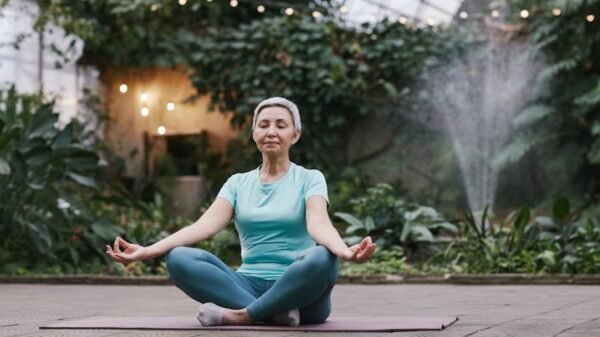

Struggling with maintaining good mental health in our fast-paced world? You’re not alone. Many people find themselves overwhelmed, anxious, or emotionally drained without understanding why. The challenge lies in our disconnection from simple, nurturing practices that support psychological wellbeing. Establishing consistent daily habits for mental health can be the game-changer you need. These practices don’t require expensive treatments or complex routines – they work naturally at home and are suitable for all climates and lifestyles worldwide.
Table of Contents
- Understanding Mental Health Habits
- Morning Routines for Emotional Stability
- Mindfulness Practices Throughout the Day
- Physical Activities for Mood Enhancement
- Evening Habits for Mental Recovery
Understanding Mental Health Habits

Mental health habits are consistent behaviors that support your psychological wellbeing and emotional resilience. Unlike temporary fixes, these practices create lasting changes in how your brain processes stress, emotions, and daily challenges. The key is understanding that small, repeated actions compound over time to create significant improvements in mood, anxiety levels, and overall life satisfaction.
Research shows that our brains are remarkably adaptable, responding positively to routine practices that promote mental wellness. When you engage in supportive habits regularly, you’re essentially training your mind to default to healthier thought patterns and emotional responses. This neuroplasticity means that positive changes are possible regardless of your current mental state or past experiences. The fix is simple: consistency trumps intensity when building these transformative routines.
Morning Routines for Emotional Stability
Your morning routine sets the emotional tone for your entire day, making it crucial for mental health maintenance. Starting with intentional practices helps regulate your nervous system and creates a sense of control before external stressors begin. Here’s what works: dedicating just 15-20 minutes to structured morning activities that ground you mentally and emotionally.
Begin with deep breathing exercises immediately upon waking. Take five slow, deliberate breaths while still in bed, focusing on expanding your diaphragm rather than shallow chest breathing. Follow this with gentle stretching or light movement to activate your body’s natural energy systems. Journaling for five minutes can help process any lingering thoughts from sleep and set positive intentions.
Avoid immediately checking phones or news, which can trigger stress responses before you’ve established emotional equilibrium. Instead, engage in activities that make you feel centered and prepared. This might include meditation, reading inspiring content, or simply enjoying a mindful cup of tea while observing your surroundings. These practices work globally and require no special equipment, making them accessible regardless of your living situation.
Mindfulness Practices Throughout the Day
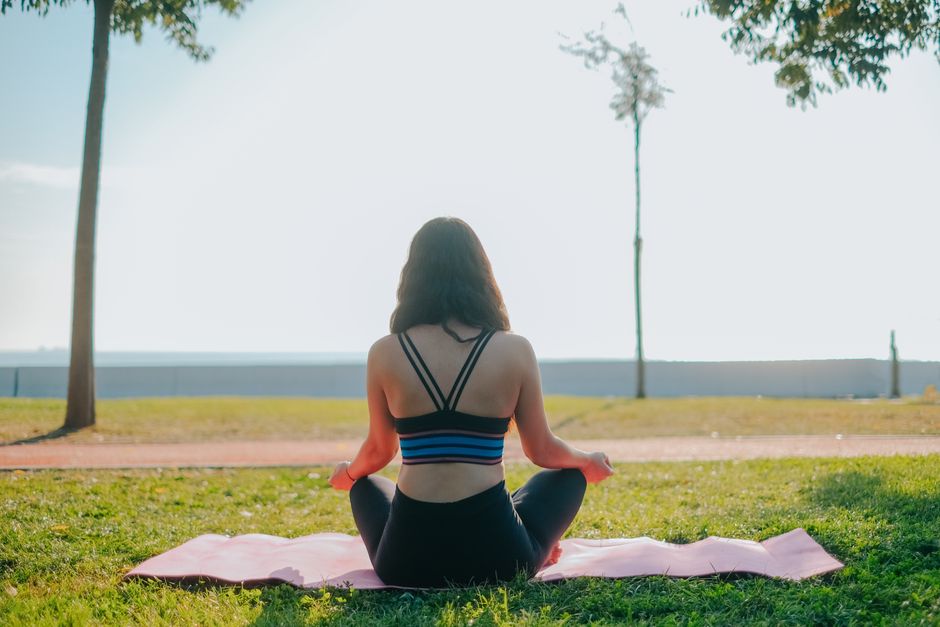
Integrating mindfulness into your daily routine doesn’t require hours of meditation or special training. The challenge is remembering to pause and reconnect with the present moment amid busy schedules. Simple awareness practices scattered throughout your day can significantly reduce anxiety and improve emotional regulation without disrupting your normal activities.
Practice the “5-4-3-2-1” grounding technique when feeling overwhelmed: identify five things you can see, four you can touch, three you can hear, two you can smell, and one you can taste. This instantly brings your attention to the present moment and interrupts anxious thought spirals. Use transition moments like walking between rooms or waiting in lines as opportunities for brief mindfulness check-ins.
Mindful eating transforms routine meals into mental health practices. Spend the first few minutes of each meal eating slowly and paying attention to flavors, textures, and sensations. This not only improves digestion but also creates natural breaks in your day for nervous system regulation. Set gentle reminders on your phone to take three conscious breaths every few hours, helping maintain emotional balance throughout challenging days.
Physical Activities for Mood Enhancement
Physical movement is one of the most powerful daily habits for mental health, naturally releasing mood-boosting chemicals while reducing stress hormones. The key is finding activities you enjoy rather than forcing yourself into exercise routines you dislike. Movement doesn’t need to be intense or time-consuming to be effective for mental wellbeing.
Dancing to your favorite music for 10 minutes can instantly shift your emotional state while providing cardiovascular benefits. Walking outdoors combines physical activity with nature exposure, both proven to reduce symptoms of depression and anxiety. If outdoor access is limited, walking up and down stairs or doing bodyweight exercises indoors provides similar mental health benefits.
Yoga and stretching routines are particularly effective for mental health because they combine physical movement with breathing awareness and mindfulness. Even five minutes of gentle stretching can help release physical tension that often accompanies emotional stress. The beauty of these practices is their adaptability – they work in small spaces, require no equipment, and can be modified for any fitness level or physical limitation.
Evening Habits for Mental Recovery

Your evening routine is crucial for processing the day’s experiences and preparing your mind for restorative sleep. Many people struggle with racing thoughts or emotional overwhelm in the evening, making it essential to establish calming practices that promote mental recovery and relaxation.
Create a technology wind-down period at least one hour before intended sleep time. The blue light from screens can disrupt your natural sleep rhythms, while the constant stimulation prevents your nervous system from shifting into rest mode. Instead, engage in calming activities like reading, gentle stretching, or listening to soothing music.
Gratitude practice is particularly powerful in the evening, helping shift focus from daily stressors to positive aspects of your life. Write down three specific things you appreciated about your day, no matter how challenging it was. This practice rewires your brain to notice positive experiences more readily over time. End with progressive muscle relaxation or deep breathing exercises to signal to your body that it’s time to rest and recover, setting the stage for better mental health tomorrow.
Implementation starts with choosing just one or two habits that resonate with you rather than attempting to change everything at once. Begin with practices that feel manageable and gradually build your routine as these become natural parts of your day. Remember that consistency matters more than perfection – even imperfect practice yields benefits over time.
Frequently Asked Questions (FAQs)
Most people notice initial improvements in mood and stress levels within one to two weeks of consistent practice.
Missing occasional days is normal and won’t derail your progress. Simply resume your routine the next day without self-judgment.
These habits complement but don’t replace professional treatment for serious mental health conditions. They support overall wellbeing naturally.
Begin with one or two habits that feel most appealing and manageable for your current lifestyle and schedule.
Many people with anxiety find these habits helpful for managing symptoms, though individual responses vary significantly between people.
Consult a healthcare professional before trying new remedies, especially if you have existing mental health conditions or concerns about your psychological wellbeing.

Arslan Qamar is the founder of Wellness Tips Now. A long-standing personal interest in natural health led him to spend years self-educating — reading widely and researching what the evidence actually supports. He created this site to share that research in plain, practical language. Arslan is not a medical professional; every article is reviewed for accuracy before publishing, and nothing on this site is intended to replace advice from a qualified healthcare professional. His writing covers natural weight loss, home remedies, nutrition, skincare, sleep, and stress management.