Learning how to reduce stress naturally has become essential for maintaining optimal mental well-being in our fast-paced world. Research indicates that chronic stress affects millions globally, leading to physical and emotional health challenges. Fortunately, numerous evidence-based natural approaches can help manage stress effectively without requiring prescription medications or expensive treatments. These methods work universally, regardless of climate or location, making them accessible to everyone seeking relief from daily pressures and tension.
Table of Contents
- Understanding Your Natural Stress Response
- Master Breathing and Meditation Techniques
- Incorporate Physical Activity and Movement
- Optimize Nutrition and Lifestyle Habits
- Create Supportive Environment and Social Connections
Understanding Your Natural Stress Response
Before implementing stress reduction strategies, it’s crucial to understand how your body naturally responds to stressful situations. Studies suggest that stress triggers the release of cortisol and adrenaline, hormones designed to help you handle immediate threats. However, modern life often keeps these stress hormones elevated for extended periods, leading to chronic tension and health complications.
Research shows that recognizing early stress signals empowers you to intervene before reaching overwhelming levels. Common physical indicators include muscle tension, rapid heartbeat, shallow breathing, and digestive changes. Mental symptoms often manifest as racing thoughts, difficulty concentrating, irritability, or feeling overwhelmed by daily tasks.
The key point is that stress affects everyone differently, and what triggers stress for one person might not affect another. Keeping a simple stress journal can help identify your personal stress patterns and triggers. This awareness forms the foundation for choosing the most effective natural stress reduction methods for your unique situation.
Master Breathing and Meditation Techniques
Controlled breathing represents one of the most immediate and effective ways to reduce stress naturally. Experts recommend the 4-7-8 breathing technique as particularly powerful for activating your body’s relaxation response. To practice this method, inhale through your nose for four counts, hold your breath for seven counts, then exhale completely through your mouth for eight counts.
Recent studies demonstrate that consistent meditation practice can significantly lower stress hormone levels while improving emotional regulation. Even five to ten minutes of daily meditation can produce measurable benefits. Progressive muscle relaxation offers another excellent option, involving systematically tensing and releasing different muscle groups throughout your body.
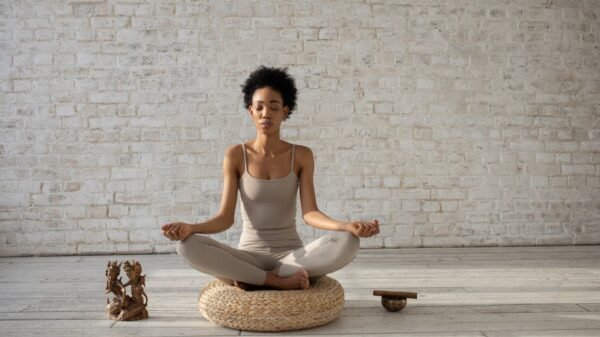
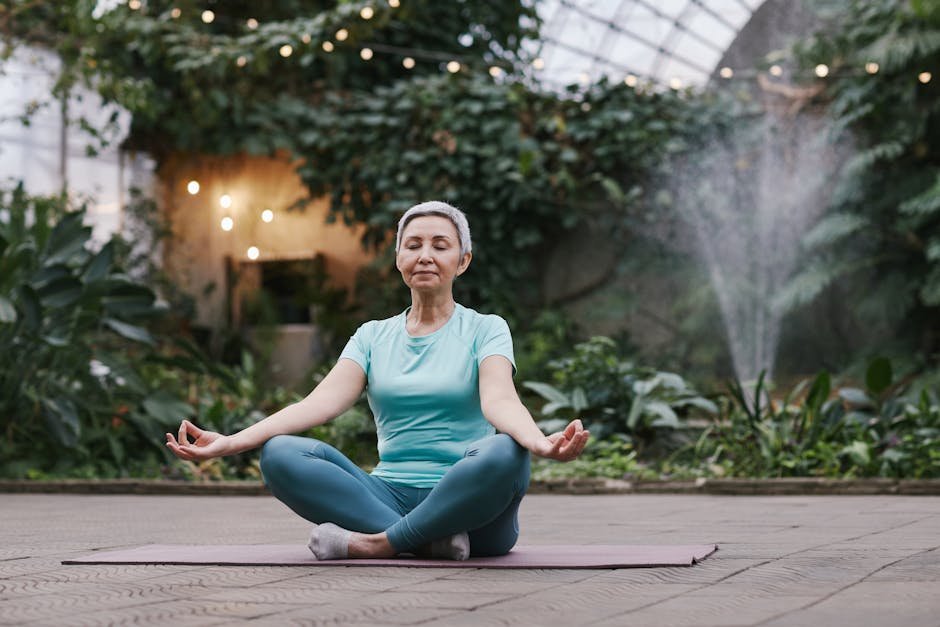
Mindfulness meditation focuses on present-moment awareness without judgment. This practice helps break the cycle of worried thinking that often amplifies stress levels. Start by finding a quiet space at home, sitting comfortably, and simply observing your breath without trying to change it. When thoughts arise, gently redirect your attention back to breathing.
Guided meditation apps and online resources make these techniques accessible to beginners. The beauty of these methods lies in their portability and immediate availability whenever stress levels begin rising throughout your day.
Incorporate Physical Activity and Movement

Physical movement serves as a natural stress reliever by promoting the release of endorphins, your body’s feel-good chemicals. Research indicates that regular exercise can be as effective as medication for managing mild to moderate stress and anxiety. The key is finding activities you enjoy, making consistency more achievable.
Walking outdoors provides dual benefits by combining physical activity with nature exposure. Studies show that spending time in natural environments can lower cortisol levels and reduce mental fatigue. Even a 15-minute walk around your neighborhood or local park can provide immediate stress relief while improving overall mood.
Yoga combines physical movement with breathing techniques and mindfulness, making it particularly effective for stress reduction. The gentle stretches help release physical tension while the focused breathing calms mental chatter. Many online platforms offer free yoga sessions suitable for all fitness levels, making this practice accessible from home.
Dance, swimming, cycling, or any activity that gets your heart rate up can effectively burn off stress hormones. The important factor is consistency rather than intensity. Even light physical activity performed regularly produces better stress-reduction results than sporadic intense workouts.
Optimize Nutrition and Lifestyle Habits
Your dietary choices significantly impact your body’s ability to handle stress naturally. Research shows that certain nutrients can help stabilize mood and reduce stress hormone production. Complex carbohydrates found in whole grains help maintain steady blood sugar levels, preventing stress-inducing energy crashes throughout the day.
Magnesium-rich foods like leafy greens, nuts, and seeds support nervous system function and muscle relaxation. Omega-3 fatty acids found in fish, walnuts, and flaxseeds may help reduce inflammation associated with chronic stress. Limiting caffeine intake, especially in the afternoon, prevents interference with sleep quality and reduces anxiety-like symptoms.
Sleep quality directly affects stress resilience. Establishing a consistent bedtime routine signals your body to prepare for rest. This might include dimming lights, avoiding screens for an hour before bed, or practicing gentle stretches. Creating a cool, dark, quiet sleeping environment supports deeper, more restorative sleep.
Hydration plays an often-overlooked role in stress management. Even mild dehydration can increase cortisol levels and affect concentration. Aim to drink water consistently throughout the day rather than waiting until you feel thirsty. Herbal teas like chamomile or lavender can provide additional calming benefits while contributing to daily fluid intake.
Create Supportive Environment and Social Connections

Your physical environment significantly influences stress levels throughout the day. Research indicates that cluttered or chaotic spaces can increase cortisol production and mental overwhelm. Simple organizational strategies like decluttering one area at a time or creating designated spaces for important items can reduce daily friction and stress.
Incorporating calming elements into your living space supports natural stress reduction. Plants improve air quality while adding natural beauty to indoor environments. Soft lighting, comfortable seating areas, and pleasant scents from essential oils or candles can create a more peaceful atmosphere at home.
Social connections provide crucial support during stressful periods. Studies suggest that talking with trusted friends or family members can lower stress hormones and provide emotional relief. Even brief conversations or text messages with supportive people can shift your perspective on challenging situations.
Setting healthy boundaries represents another vital aspect of stress management. This includes learning to say no to excessive commitments, limiting exposure to negative news or social media, and protecting time for self-care activities. Remember that taking care of your mental well-being enables you to better support others when they need help.
These natural stress reduction methods work best when implemented gradually and consistently. Start by choosing one or two techniques that resonate with you, then slowly incorporate additional strategies as they become habitual. Remember that managing stress naturally is a skill that improves with practice, and small daily actions can produce significant long-term benefits for your overall well-being. Consult a healthcare professional before trying new remedies if you have existing health conditions.
Frequently Asked Questions (FAQs)
Some techniques like deep breathing provide immediate relief within minutes, while others like exercise and meditation show cumulative benefits over weeks of consistent practice.
Natural methods effectively support stress management but shouldn’t replace professional help for severe stress, anxiety disorders, or depression requiring medical attention.
Deep breathing exercises and short walks are excellent starting points because they’re simple, require no equipment, and provide immediate stress relief benefits.
Even 10-15 minutes of daily stress reduction activities can provide meaningful benefits. Consistency matters more than duration for long-term stress management success.
Most natural techniques are generally safe, but individuals with health conditions should consult healthcare providers before starting new exercise or dietary approaches.