The constant pressure of modern life leaves countless individuals struggling with overwhelming stress and anxiety. Whether facing demanding work schedules, family responsibilities, or unexpected challenges, learning how to stay calm and relaxed has become essential for maintaining mental well-being. Many people find themselves trapped in cycles of tension, searching for effective solutions that provide genuine relief without requiring prescription medications or expensive treatments.
Table of Contents
- Understanding Your Stress Response
- Master Simple Breathing Techniques
- Physical Relaxation Methods
- Mental Strategies for Inner Peace
- Creating a Calming Environment
Understanding Your Stress Response

The challenge is recognizing how your body naturally reacts to stressful situations before implementing effective countermeasures. When faced with perceived threats, your nervous system automatically triggers the fight-or-flight response, releasing stress hormones that increase heart rate, tighten muscles, and heighten alertness. This biological mechanism, while useful for genuine emergencies, often activates during everyday situations that don’t require such intense reactions.
Understanding these physiological changes helps you identify early warning signs of mounting tension. Common indicators include shallow breathing, muscle stiffness, racing thoughts, or feeling overwhelmed by simple tasks. Recognizing these patterns allows you to intervene before stress escalates into full anxiety. This awareness works globally, regardless of your location or circumstances, making it a valuable foundation for developing personalized relaxation strategies that suit your lifestyle.
Master Simple Breathing Techniques
The fix is simple: controlled breathing serves as your most accessible tool for immediate stress relief. Deep, intentional breathing activates your parasympathetic nervous system, which naturally counteracts the stress response and promotes relaxation. This technique works anywhere, requiring no special equipment or training, making it perfect for use at home, work, or during travel.
Start with the basic 4-7-8 technique: inhale through your nose for four counts, hold your breath for seven counts, then exhale slowly through your mouth for eight counts. Repeat this cycle three to four times whenever you feel tension building. The extended exhale particularly helps signal your body to shift into a calmer state.
Another effective method is diaphragmatic breathing, where you focus on expanding your belly rather than your chest while inhaling. Place one hand on your chest and another on your abdomen, ensuring the lower hand moves more than the upper one. Practice this technique for five minutes daily to strengthen your natural relaxation response and build resilience against future stressors.
Physical Relaxation Methods

Here’s what helps: progressive muscle relaxation techniques that systematically release physical tension throughout your body. This approach works by deliberately tensing specific muscle groups for five seconds, then completely releasing the tension while focusing on the contrast between tightness and relaxation. Begin with your toes, gradually working upward through your legs, abdomen, arms, shoulders, and facial muscles.
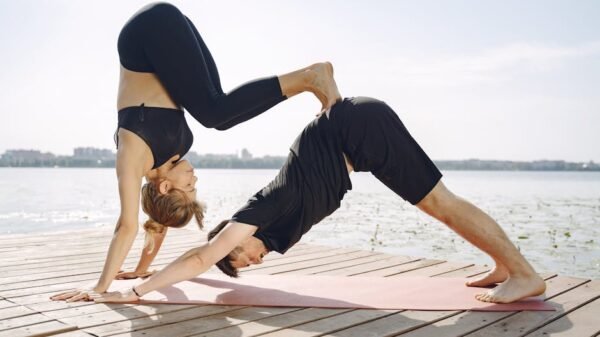
Gentle movement also promotes calmness naturally. Simple stretching exercises, particularly those targeting areas where you commonly hold stress like your neck, shoulders, and back, can provide immediate relief. These movements increase blood flow, reduce muscle stiffness, and release endorphins that enhance your mood and sense of well-being.
Consider incorporating self-massage techniques using your hands to apply gentle pressure to tense areas. Focus on your temples, jaw muscles, neck, and shoulders using circular motions. This practice requires no special tools and works effectively in any climate or setting, providing accessible relief whenever stress begins to accumulate in your body.
Mental Strategies for Inner Peace
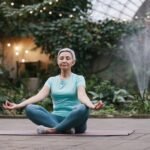
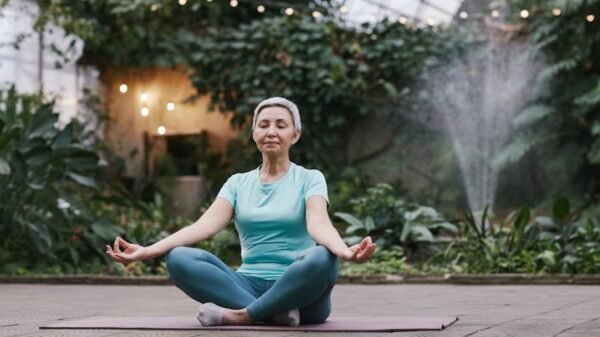
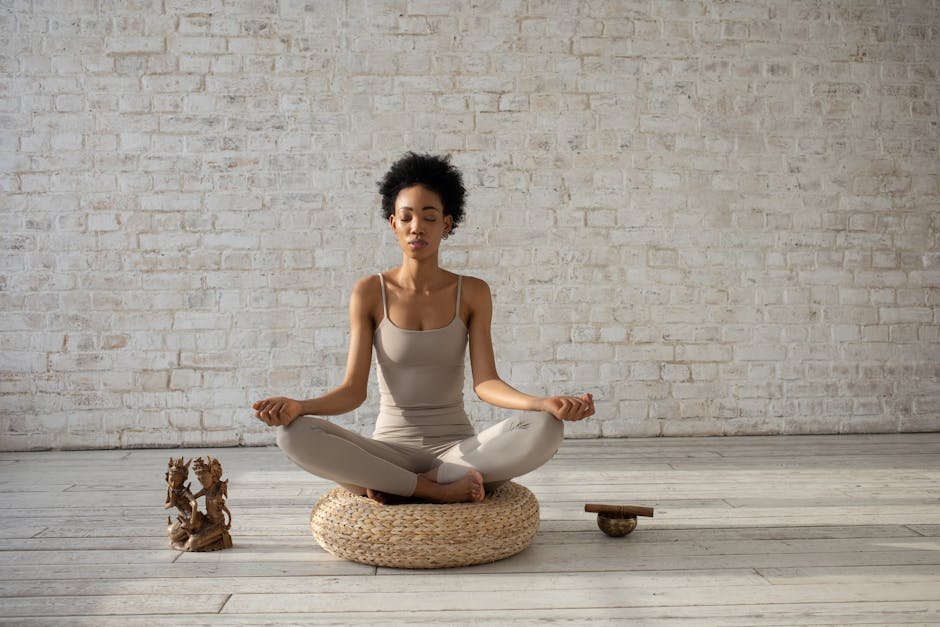
Struggling with racing thoughts requires targeted mental techniques that redirect your focus toward peaceful states. Mindfulness meditation offers a powerful solution by training your attention to remain present rather than spiraling into anxiety-provoking scenarios. Start with just five minutes daily, focusing on your breath or observing thoughts without judgment as they arise and pass.
Visualization exercises provide another effective approach for mental relaxation. Create detailed mental images of peaceful settings where you feel completely safe and relaxed. This might include a quiet beach, mountain forest, or comfortable room in your home. Engage all your senses by imagining sounds, smells, and textures associated with your chosen peaceful place.
Positive self-talk helps counter the negative thought patterns that fuel stress and anxiety. Replace harsh self-criticism with encouraging, realistic statements. Instead of thinking “I can’t handle this,” try “This is challenging, but I have tools to manage it.” This mental shift gradually builds confidence and resilience, making future stressful situations feel more manageable and less overwhelming.
Creating a Calming Environment
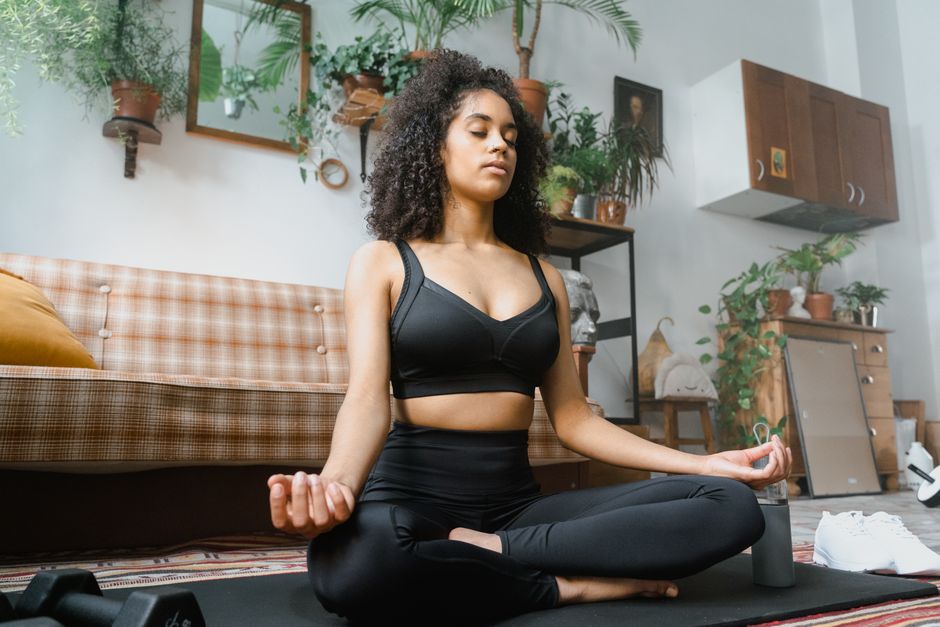
Your physical surroundings significantly influence your ability to maintain calm and relaxation throughout the day. Simple environmental modifications can transform any space into a sanctuary that naturally promotes peace and reduces stress triggers. These changes work effectively regardless of your living situation or geographic location.
Reduce clutter in areas where you spend the most time, as disorganized spaces often contribute to mental chaos. Create designated quiet zones in your home where you can retreat when feeling overwhelmed. This might be a comfortable chair with soft lighting, a corner with plants, or simply a tidy desk area that feels organized and peaceful.
Consider incorporating natural elements that promote relaxation: soft lighting instead of harsh fluorescent bulbs, plants that improve air quality, or calming scents from essential oils or candles. Background sounds like gentle music, nature recordings, or white noise can mask stressful environmental distractions. These modifications require minimal investment but create significant improvements in your daily stress levels and overall sense of well-being.
Implementation requires consistency rather than perfection. Start by choosing one or two techniques that resonate with you, practicing them regularly until they become natural responses to stress. Combine different approaches for maximum effectiveness, such as using breathing techniques alongside environmental changes or pairing physical relaxation with mental strategies.
Frequently Asked Questions (FAQs)
Most breathing and mindfulness techniques can provide noticeable relief within minutes, while long-term benefits develop with consistent daily practice over several weeks.
Yes, breathing techniques and grounding exercises can help during acute anxiety, though severe panic attacks may require professional medical guidance and treatment.
Start with micro-practices like three deep breaths at traffic lights or brief muscle tension releases during bathroom breaks throughout your day.
Individual responses vary, so experiment with different approaches to find what works best for your personality, lifestyle, and specific stress triggers.
Reducing caffeine intake, especially in afternoon and evening hours, can significantly improve your body’s natural ability to achieve and maintain relaxed states.
Consult a healthcare professional before trying new remedies, especially if you experience severe or persistent anxiety symptoms that interfere with daily functioning.