Your heart pounds before a big meeting. Your mind races at 2 AM about tomorrow’s problems. Sound familiar? Learning how to stay calm and relaxed isn’t about becoming zen overnight-it’s about having real tools you can use when stress hits. The good news is that you don’t need expensive courses or perfect conditions. These techniques work anywhere, anytime.
Table of contents
- Breathing that actually works
- Progressive muscle relaxation
- Grounding techniques
- Daily habits for calm
- Mindful movement
Before diving into specific methods, here’s what helps most people find their calm:
- Simple breathing exercises that slow your heart rate in minutes
- Muscle relaxation techniques that release physical tension
- Grounding methods that pull you out of anxious thoughts
- Small daily habits that build your stress tolerance
- Gentle movement that calms both body and mind
Breathing that actually works

Most breathing advice sounds too simple to work. But there’s real science behind why changing your breath changes how you feel. When you’re stressed, your breathing gets shallow and fast. This signals your nervous system to stay on high alert.
Try the 4-7-8 technique. Breathe in through your nose for 4 counts, hold for 7, then exhale through your mouth for 8. The longer exhale activates your body’s relaxation response. Do this three times, and you’ll likely feel your shoulders drop and your mind slow down.
Another option is belly breathing. Place one hand on your chest, one on your stomach. Breathe so only the bottom hand moves. This deeper breathing style naturally calms your nervous system. Works especially well when you’re lying in bed with racing thoughts.
Progressive muscle relaxation
Your body holds stress in ways you might not notice. Tight jaw, hunched shoulders, clenched fists-all signs that tension has built up. Progressive muscle relaxation teaches you to release what you didn’t even know you were holding.
Start with your toes. Tense them as hard as you can for 5 seconds, then completely let go. Notice the contrast between tension and relaxation. Move up through your calves, thighs, stomach, hands, arms, shoulders, and face. The whole process takes about 10 minutes.
This technique works because it makes you aware of where you carry stress. Once you know your trouble spots, you can check in throughout the day. Are your shoulders creeping toward your ears? Let them drop. Is your jaw tight? Soften it. Small adjustments add up to big changes in how relaxed you feel.
Grounding techniques

Sometimes your thoughts spiral so fast that breathing exercises feel impossible. That’s when grounding techniques work better-they pull your attention back to the present moment through your senses.
The 5-4-3-2-1 method is simple and effective. Name 5 things you can see, 4 you can touch, 3 you can hear, 2 you can smell, and 1 you can taste. This forces your brain to focus on what’s actually happening right now instead of the worst-case scenarios it was creating.
Another grounding trick is the ice cube method. Hold an ice cube in your hand or press it against your wrist. The cold sensation interrupts anxious thoughts and brings you back to your body. For a gentler version, splash cold water on your face or hold a cool object.
Daily habits for calm
Quick techniques help in the moment, but daily habits build your baseline calm. Think of it like physical fitness-the more you practice, the stronger your stress resilience becomes.
Morning routines matter more than you might think. Even 10 minutes of quiet time before checking your phone sets a calmer tone for the day. This could be gentle stretching, writing three things you’re grateful for, or just sitting with your coffee without distractions.
Sleep hygiene directly affects how easily you get rattled the next day. Keep your bedroom cool and dark. Put devices away an hour before bed-the blue light interferes with sleep hormones. If your mind races at bedtime, try keeping a notepad nearby to jot down tomorrow’s worries. Getting them out of your head and onto paper often helps.
Mindful movement
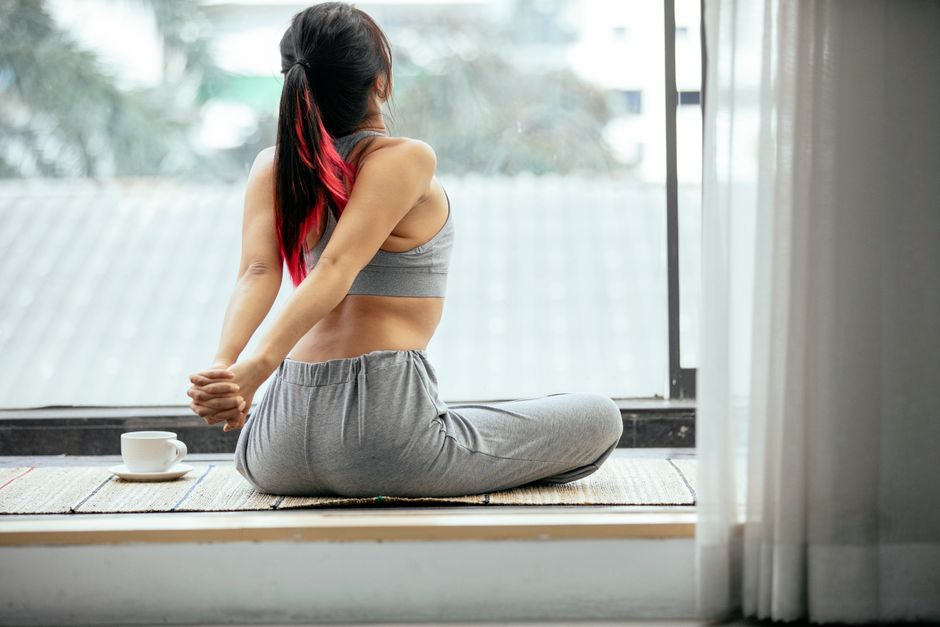
Exercise doesn’t have to mean intense workouts to help you stay calm. Gentle, mindful movement can be just as effective for reducing stress and anxiety. The key is paying attention to how your body feels as you move.
Walking meditation combines the benefits of light exercise with mindfulness. Step slowly and notice how your feet feel touching the ground. Pay attention to your surroundings without trying to get anywhere quickly. Even a 5-minute walk around the block can shift your mental state.
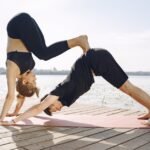
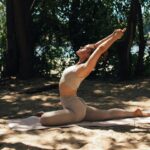
Gentle yoga or stretching works well too. Focus on areas where you hold tension-neck rolls for computer workers, hip stretches for people who sit a lot. The combination of movement and breath naturally calms your nervous system. You don’t need perfect form or flexibility. Just move in ways that feel good.
The most important thing to remember is that staying calm gets easier with practice. Pick one or two techniques that feel doable and try them consistently for a week. Most people notice changes in how they handle stress within just a few days. Start with whatever feels most manageable-even two minutes of deep breathing before stressful situations can make a real difference.
Frequently asked questions
Most breathing and grounding techniques start working within 2-5 minutes. Building overall stress resilience through daily practice usually takes 1-2 weeks.
This is completely normal. Try counting on your fingers or using a guided app. Grounding techniques that use your senses often work better when your mind is very busy.
Grounding techniques and breathing exercises may help some people during mild anxiety. For panic attacks, consult a healthcare professional for proper treatment options.
Progressive muscle relaxation and 4-7-8 breathing work well at bedtime. The physical relaxation and longer exhales signal your body it’s time to sleep.
No special equipment needed. Apps can be helpful for guidance, but all these techniques work with just your breath, body, and attention.
Consult a healthcare professional before trying new remedies, especially if you have ongoing anxiety or panic symptoms.

Arslan Qamar is the founder of Wellness Tips Now. A long-standing personal interest in natural health led him to spend years self-educating — reading widely and researching what the evidence actually supports. He created this site to share that research in plain, practical language. Arslan is not a medical professional; every article is reviewed for accuracy before publishing, and nothing on this site is intended to replace advice from a qualified healthcare professional. His writing covers natural weight loss, home remedies, nutrition, skincare, sleep, and stress management.