Table of contents
- Understanding natural stress relief
- Master your breathing patterns
- Get your body moving
- Feed your nervous system
- Create better sleep habits
Your heart races during traffic jams. Your shoulders tense up before meetings. Sound familiar? Learning how to reduce stress naturally doesn’t require expensive supplements or complicated routines. The most effective methods work with your body’s existing systems to calm your mind and restore balance. These techniques have helped millions of people manage daily pressures without side effects or dependency on medications.
Understanding natural stress relief

Picture this: you’re running late for work, spill coffee on your shirt, and then hit every red light. Your body responds the same way it would to a charging tiger. Your nervous system can’t tell the difference between real danger and everyday annoyances.
Natural stress relief works by interrupting this automatic response. When you use techniques that activate your parasympathetic nervous system, you literally flip a biological switch. Your heart rate slows down. Your muscles relax. Your mind clears.
The beauty of natural methods lies in their simplicity. You don’t need special equipment or perfect conditions. Some people notice changes within minutes. Others need consistent practice for a week or two before seeing results. Either timeline is completely normal.
Master your breathing patterns
You breathe roughly 20,000 times per day, mostly without thinking about it. But shallow, rapid breathing keeps your stress response active even when you’re supposedly relaxing.
The 4-7-8 technique works particularly well for beginners. Inhale through your nose for 4 counts. Hold your breath for 7 counts. Exhale completely through your mouth for 8 counts. The longer exhale activates your vagus nerve, which signals your brain that danger has passed.
Box breathing offers another reliable option. Breathe in for 4, hold for 4, exhale for 4, hold empty for 4. Navy SEALs use this method to stay calm under extreme pressure. If it works in combat situations, it can handle your stressful day.
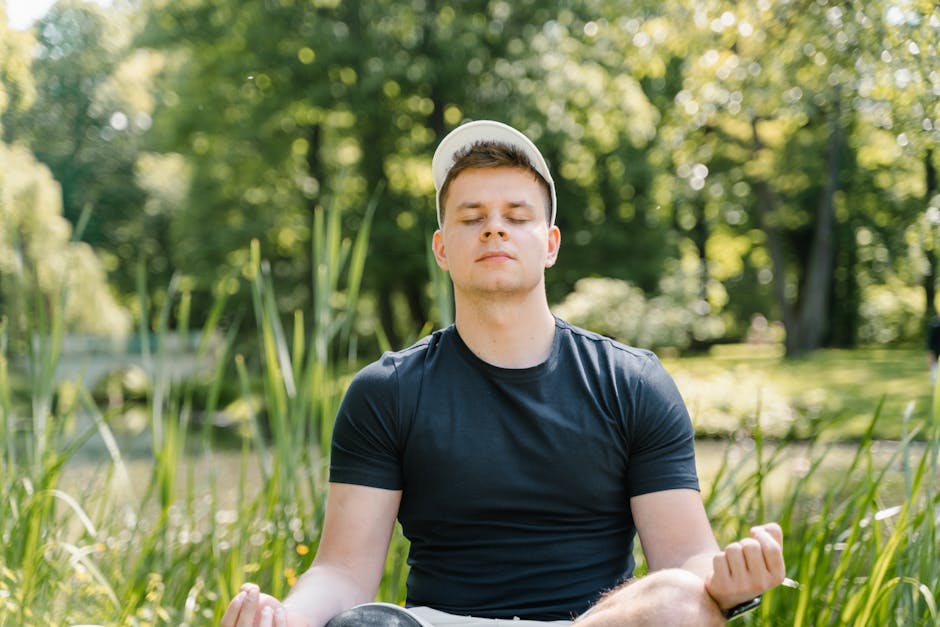
Start with just 2-3 cycles whenever you notice tension building. You can do this anywhere – in your car, at your desk, or lying in bed. Some people prefer doing it with their eyes closed, but that’s not necessary for it to work.
Get your body moving
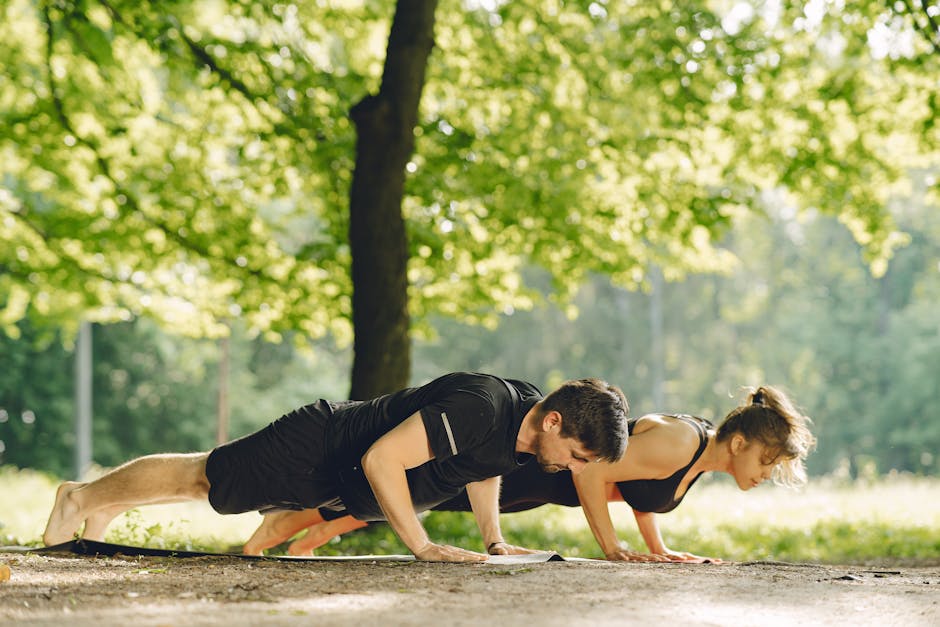
Stress hormones like cortisol were designed to fuel physical action. When you sit still while stressed, these chemicals have nowhere to go. They just circulate, keeping you wired and anxious.
A brisk 10-minute walk can burn off enough stress hormones to shift your entire mood. You don’t need to run a marathon or join a gym. Even gentle movement like stretching or doing household chores helps process the chemical aftermath of stress.
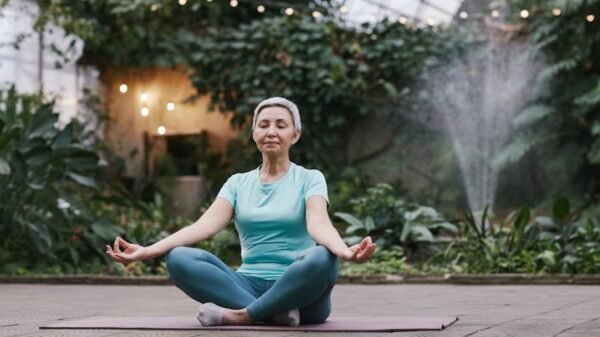
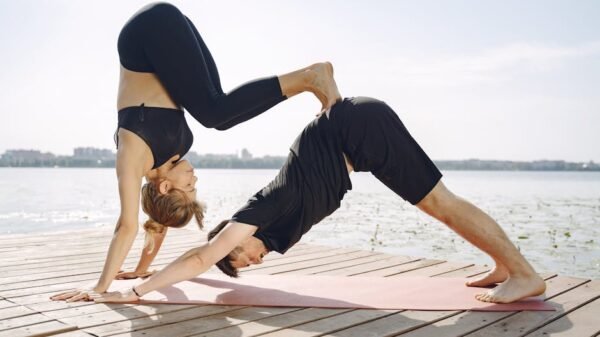
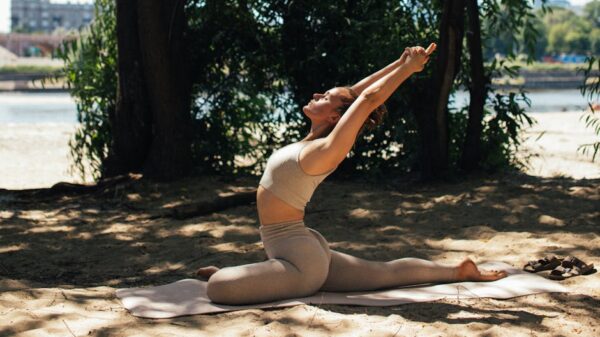
Yoga combines movement with breathing, making it especially effective for stress relief. The warrior pose or simple sun salutations can release tension that’s been building in your muscles all day. Many people find that holding poses forces them to focus on the present moment instead of worrying about tomorrow’s problems.
Dancing works too, though it might not feel like traditional stress management. Put on music and move however feels good. Your nervous system responds to rhythm and physical expression in ways that pure mental techniques sometimes can’t reach.
Feed your nervous system
What you eat directly affects your body’s ability to handle stress. Magnesium-rich foods like dark leafy greens, nuts, and seeds help your muscles relax. When you’re deficient in magnesium, even small stressors can feel overwhelming.
Complex carbohydrates from oatmeal, quinoa, and sweet potatoes provide steady energy without the blood sugar spikes that can mimic anxiety symptoms. Simple sugars from candy or soda create an energy crash that leaves you more vulnerable to stress.
Herbal teas offer both hydration and compounds that naturally calm your nervous system. Chamomile contains apigenin, which binds to the same brain receptors as anti-anxiety medications. Passionflower tea has been shown to reduce anxiety as effectively as some prescription drugs, though results vary between individuals.
Avoid caffeine after 2 PM if you’re already stressed. Coffee might give you energy, but it also amplifies your stress response. Many people don’t realize their afternoon coffee is why they feel jittery and overwhelmed by evening. Green tea provides gentler stimulation with L-theanine, an amino acid that promotes relaxation.
Create better sleep habits
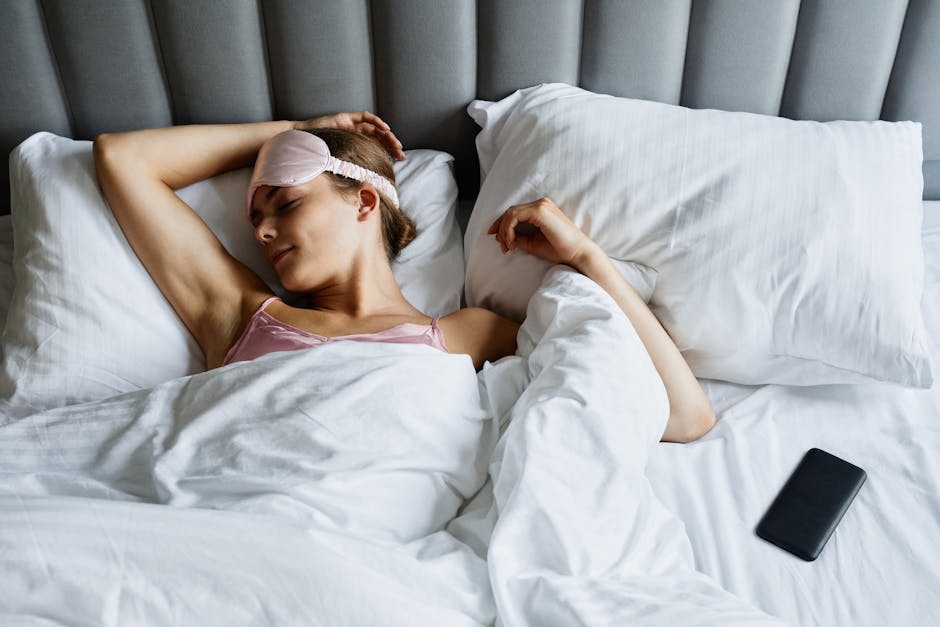
Poor sleep makes everything more stressful. When you’re tired, your brain’s emotional regulation center doesn’t work properly. Small problems feel like major crises.
Your bedroom temperature matters more than most people realize. Keep it between 65-68°F for optimal sleep quality. Warm rooms force your body to work harder to cool down, which interferes with deep sleep stages.
Blue light from phones and computers tricks your brain into thinking it’s daytime. Use amber-tinted glasses or night mode settings for 2 hours before bed. Some people resist this change, but it can dramatically improve sleep quality within just a few nights.
Create a simple wind-down routine that signals bedtime to your nervous system. This might include gentle stretching, reading a few pages of a book, or writing three things you’re grateful for. The specific activities matter less than doing them consistently. Your brain learns to associate these behaviors with sleep preparation.
Common mistakes to avoid
Don’t expect instant perfection. Natural stress relief techniques work best with consistent practice rather than perfect execution. Trying too many methods at once often leads to giving up entirely.
Avoid using these techniques only during crisis moments. Practice when you’re relatively calm so the skills are available when you really need them.
Frequently asked questions
Breathing techniques can work within minutes. Movement and nutrition changes typically show results within a few days to a week of consistent practice.
Natural stress relief techniques generally complement medications well, but always check with your healthcare provider before making changes to your treatment plan.
Start with simple breathing exercises since they require no equipment and can be done anywhere. The 4-7-8 technique is particularly beginner-friendly.
Daily practice works best, even if just for 5-10 minutes. Consistency matters more than duration when building stress management skills.
Some people need professional support in addition to natural methods. Consider counseling or medical evaluation if stress significantly impacts your daily life.
These natural approaches work well for most people, but everyone’s stress response is different. Start with one or two techniques that appeal to you rather than trying everything at once. Consult a healthcare professional before trying new remedies, especially if you have existing health conditions or take medications.

Arslan Qamar is the founder of Wellness Tips Now. A long-standing personal interest in natural health led him to spend years self-educating — reading widely and researching what the evidence actually supports. He created this site to share that research in plain, practical language. Arslan is not a medical professional; every article is reviewed for accuracy before publishing, and nothing on this site is intended to replace advice from a qualified healthcare professional. His writing covers natural weight loss, home remedies, nutrition, skincare, sleep, and stress management.