Your immune system works tirelessly every single day to protect you from countless threats. But are you giving it the support it needs? Learning how to boost immunity naturally doesn’t require expensive supplements or complicated routines. In fact, many people find that simple lifestyle adjustments can make a remarkable difference in how often they get sick and how quickly they recover. Let’s explore practical, science-backed strategies that can help strengthen your body’s natural defenses and keep you feeling your best year-round.
Table of Contents
- Nutrition as Your Immunity Foundation
- Lifestyle Habits That Strengthen Defenses
- Managing Stress for Better Immunity
- Natural Remedies and Daily Practices
- Environmental Factors and Immune Health
Nutrition as Your Immunity Foundation

What you put on your plate directly influences how well your immune system functions. Think of food as information for your cells-quality matters tremendously. A colorful variety of fruits and vegetables provides essential vitamins and antioxidants that may help protect your cells from damage.
Power-Packed Foods for Immune Support
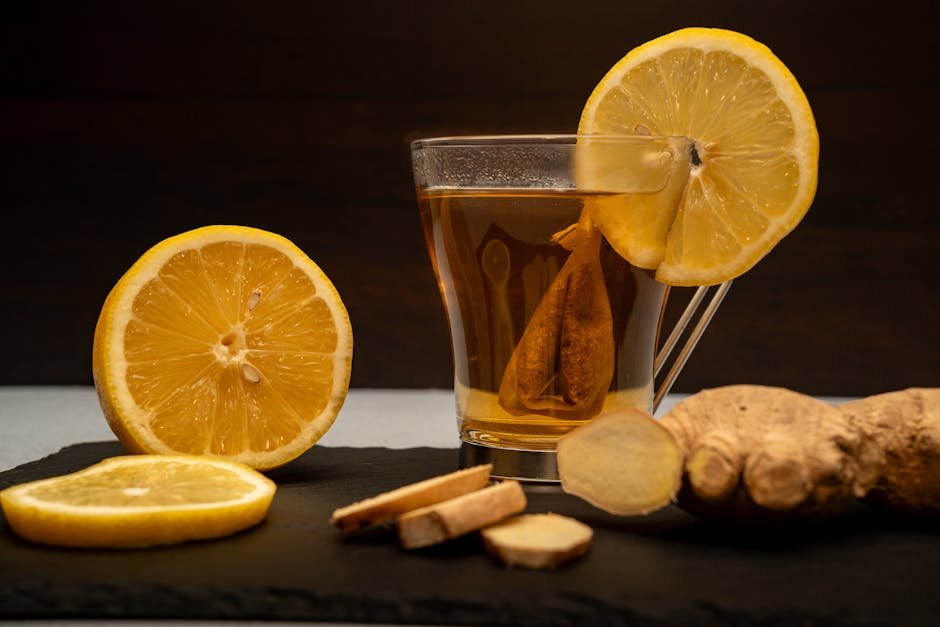
Citrus fruits, berries, and leafy greens are naturally rich in vitamin C, which can support immune cell function. Meanwhile, foods like garlic, ginger, and turmeric contain compounds that many people find beneficial for overall wellness. Don’t forget about protein sources like lean meats, fish, beans, and nuts-they provide amino acids your body needs to build antibodies and immune cells.
The Gut-Immunity Connection
Did you know that roughly 70% of your immune system lives in your gut? This explains why fermented foods like yogurt, kefir, sauerkraut, and kimchi can be so valuable. These foods contain beneficial bacteria that may help maintain a healthy gut environment. For example, including a serving of probiotic-rich food daily is something many health-conscious people swear by for digestive and immune wellness.
Hydration and Immune Function
Water often gets overlooked, but staying properly hydrated helps your body flush out toxins and supports the production of lymph, which carries immune cells throughout your body. Most people need about eight glasses daily, though individual needs vary. You might notice improved energy and fewer headaches when you’re well-hydrated-both signs your body is functioning optimally.
Lifestyle Habits That Strengthen Defenses
Beyond nutrition, your daily habits play a crucial role in immune health. Small, consistent actions add up to significant protective benefits over time. Let’s look at the lifestyle factors that can make a real difference in your body’s ability to fight off illness.
Quality Sleep is Non-Negotiable
When you sleep, your body produces and distributes key immune cells. Research suggests that people who don’t get enough quality sleep are more susceptible to getting sick after exposure to viruses. Aim for seven to nine hours nightly. Many people struggle with this, but creating a consistent bedtime routine and keeping your bedroom cool and dark can help tremendously.
Regular Physical Activity
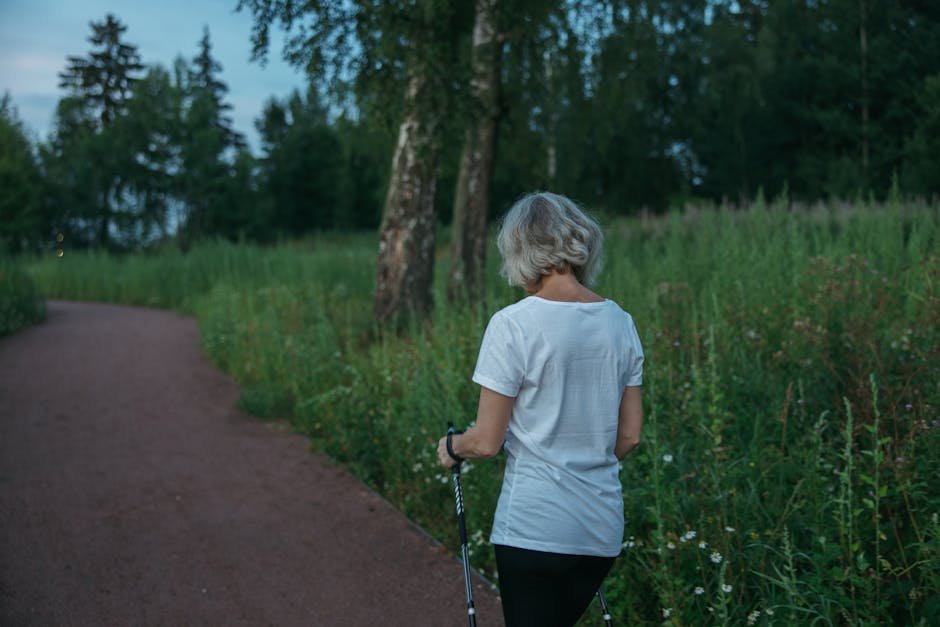
Movement is medicine for your immune system. Moderate exercise can help flush bacteria from airways and may cause positive changes in antibodies and white blood cells. You don’t need intense workouts-a brisk 30-minute walk five times weekly can be remarkably beneficial. In real life, finding activities you actually enjoy makes consistency so much easier.
Maintaining Healthy Weight
Excess body weight can affect how well your immune system functions. However, this isn’t about perfection or extreme diets. Gradual, sustainable changes in eating habits and activity levels generally provide the best long-term results. Focus on feeling strong and energetic rather than a specific number on the scale.
Managing Stress for Better Immunity
Chronic stress is one of the most significant immune suppressors in modern life. When you’re constantly stressed, your body produces hormones that can weaken immune responses over time. Learning to manage stress isn’t just good for mental health-it’s essential for physical resilience too.
Mindfulness and Relaxation Techniques
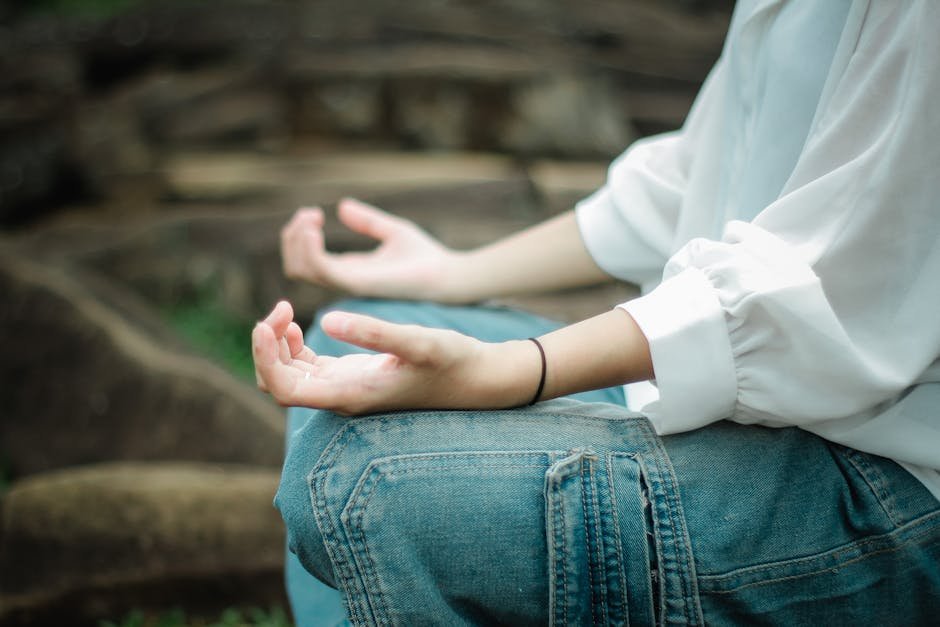
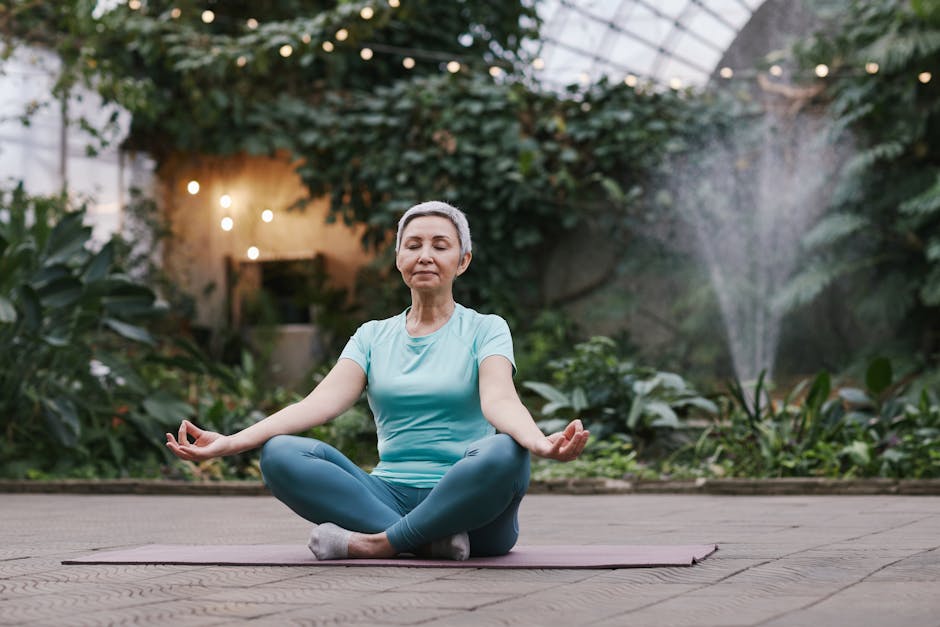
Simple practices like deep breathing, meditation, or yoga can help activate your body’s relaxation response. Even five minutes of focused breathing can lower stress hormones. Many people find that starting their day with ten minutes of quiet reflection sets a calmer tone. You might notice you handle challenges better when you’ve built this habit into your routine.
Social Connections Matter
Humans are social creatures, and meaningful connections with others can actually support immune function. Loneliness and isolation have been linked to weakened immunity. Whether it’s regular phone calls with friends, joining a community group, or spending quality time with family, nurturing relationships is genuinely good for your health.
Finding Joy and Laughter
This might sound simple, but positive emotions and laughter can actually boost immune markers. Making time for activities you love, watching something funny, or playing with pets aren’t just pleasant-they’re therapeutic. Life gets busy, but scheduling joy is just as important as scheduling appointments.
Natural Remedies and Daily Practices
Certain natural approaches have been used for generations to support immune health. While they shouldn’t replace medical care when needed, many people find them helpful as part of a comprehensive wellness routine.
Herbal Support Options
Herbs like elderberry, echinacea, and astragalus have traditional uses for immune support. Some research suggests they may help reduce the duration or severity of certain illnesses. However, quality matters when choosing herbal products. Always check with a healthcare provider before starting new supplements, especially if you take other preparations or have health conditions.
Vitamin D and Sunshine
Vitamin D plays a critical role in immune function, yet many people are deficient. Your body produces it when skin is exposed to sunlight. During winter months or if you spend most time indoors, you might consider having your levels checked. Safe sun exposure of 10-30 minutes several times weekly can be beneficial for many people.
Temperature Exposure Practices
Some evidence suggests that brief exposure to cold, like cold showers or winter swimming, might stimulate immune responses. Similarly, practices like sauna use have been associated with various health benefits. These aren’t for everyone, but adventurous types might find them invigorating. Start gradually if you’re curious about trying these methods.
Environmental Factors and Immune Health

Your surroundings influence your immune system more than you might realize. Creating an environment that supports health involves attention to several often-overlooked factors that can make a meaningful difference in your overall wellness.
Air Quality and Ventilation
Indoor air quality affects respiratory health and immune function. Opening windows regularly, using air purifiers, and keeping humidity at appropriate levels can help reduce airborne irritants and pathogens. Houseplants can also improve air quality while adding beauty to your space. These simple environmental improvements often lead to noticeable benefits.
Limiting Toxin Exposure
Reducing exposure to unnecessary chemicals in cleaning products, personal care items, and food can lighten the burden on your immune system. You don’t need to become extreme about this-small swaps like choosing fragrance-free products or reducing processed food intake can help. In real life, progress matters more than perfection.
Spending Time in Nature
Research increasingly shows that time outdoors, especially in green spaces, can support immune function. Forest bathing, gardening, or simply walking in parks exposes you to beneficial microorganisms and reduces stress. Even fifteen minutes outside daily can provide measurable benefits. Many people find this is the most enjoyable immune-boosting strategy of all.
Conclusion
Understanding how to boost immunity naturally empowers you to take control of your health through daily choices. The strategies we’ve explored-from nourishing foods and quality sleep to stress management and environmental awareness-work synergistically to strengthen your body’s defenses. Remember, building a robust immune system isn’t about perfection or doing everything at once. Start with one or two changes that feel manageable, then gradually add others. Your immune system has incredible capacity when properly supported. These natural approaches can help you feel more resilient, energetic, and prepared to handle whatever comes your way throughout the seasons.
Frequently Asked Questions (FAQs)
How long does it take to boost immunity naturally?
Building stronger immunity is a gradual process, not an overnight fix. You might notice some improvements like better energy within weeks, but meaningful immune strengthening typically develops over several months of consistent healthy habits. Patience and consistency are key to lasting results.
Can you boost immunity quickly before getting sick?
While you can’t instantly supercharge immunity, supporting your body with extra rest, hydration, and nutrient-dense foods at the first sign of illness may help. These practices can support your body’s natural response, though prevention through ongoing healthy habits is always more effective than last-minute efforts.
Are supplements necessary for good immunity?
Most people can support immune health through whole foods and lifestyle habits alone. Supplements may help if you have specific deficiencies or dietary restrictions, but they shouldn’t replace healthy eating. Always consult a healthcare provider before starting supplements to ensure appropriateness for your situation.
Does exercise really help immunity or make you more vulnerable?
Moderate regular exercise generally supports immune function and may reduce illness frequency. However, excessive intense training without adequate recovery can temporarily suppress immunity. The key is finding a sustainable balance that leaves you feeling energized rather than exhausted or run-down.
Can stress really make you sick more often?
Yes, chronic stress can genuinely weaken immune responses by affecting hormone levels and inflammation in your body. People under prolonged stress often experience more frequent infections and slower healing. This is why stress management techniques are essential components of any natural immunity-boosting plan.